
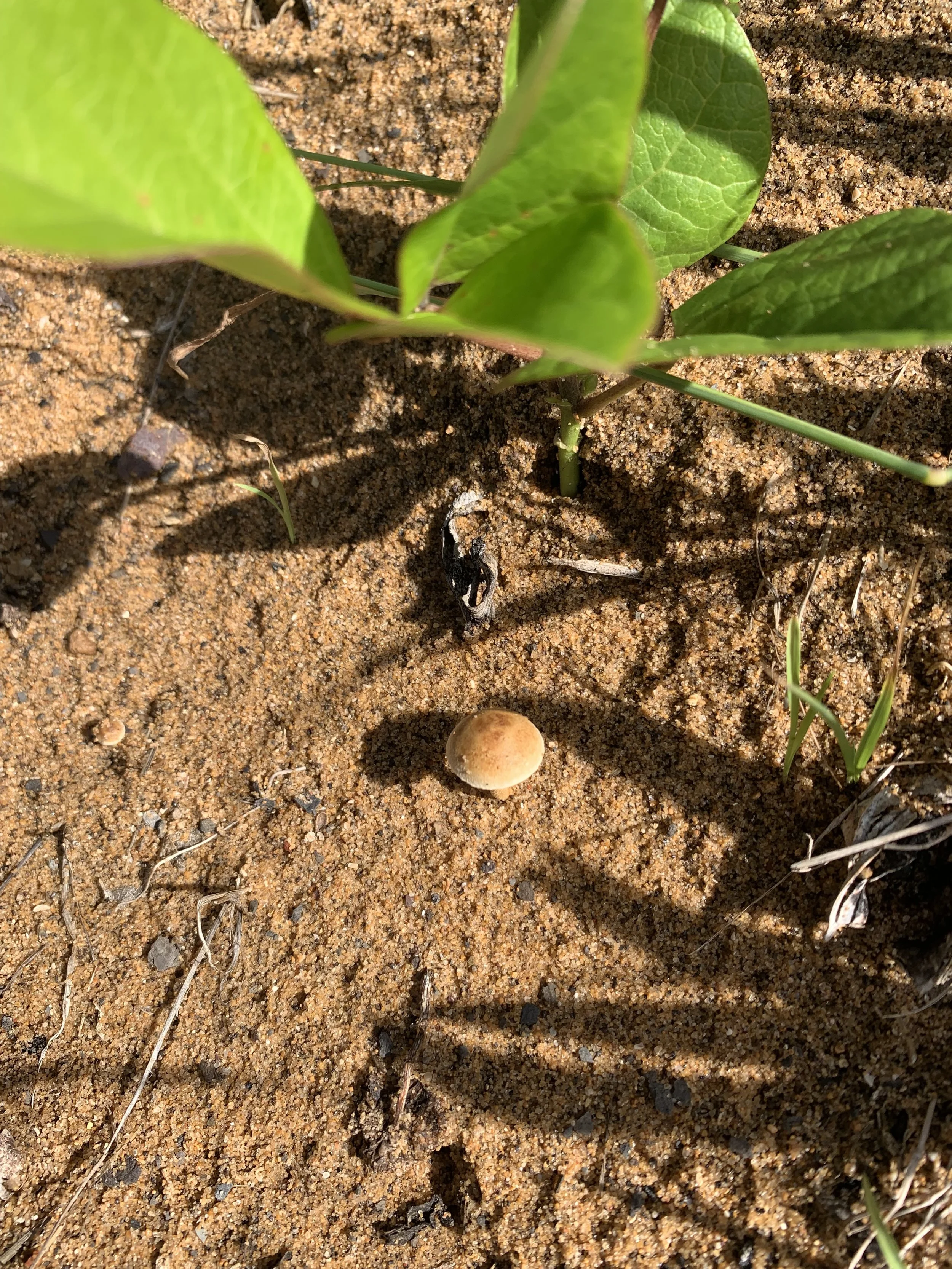
Fungi, Moss and Lichen of Long Reef
The Hidden Kingdom Beneath Our Feet
Often overlooked, fungi play a vital role in keeping Long Reef's ecosystems healthy. From breaking down organic matter and recycling nutrients to supporting plant growth, fungi are essential to the health of the coastal environment.
Long Reef's diverse habitats provide ideal conditions for a variety of fungi, from delicate toadstools to colourful mushrooms that appear after rain. While many are small and short-lived, they perform critical ecological functions and contribute to the rich biodiversity that makes Long Reef such a unique place to explore and protect.
-
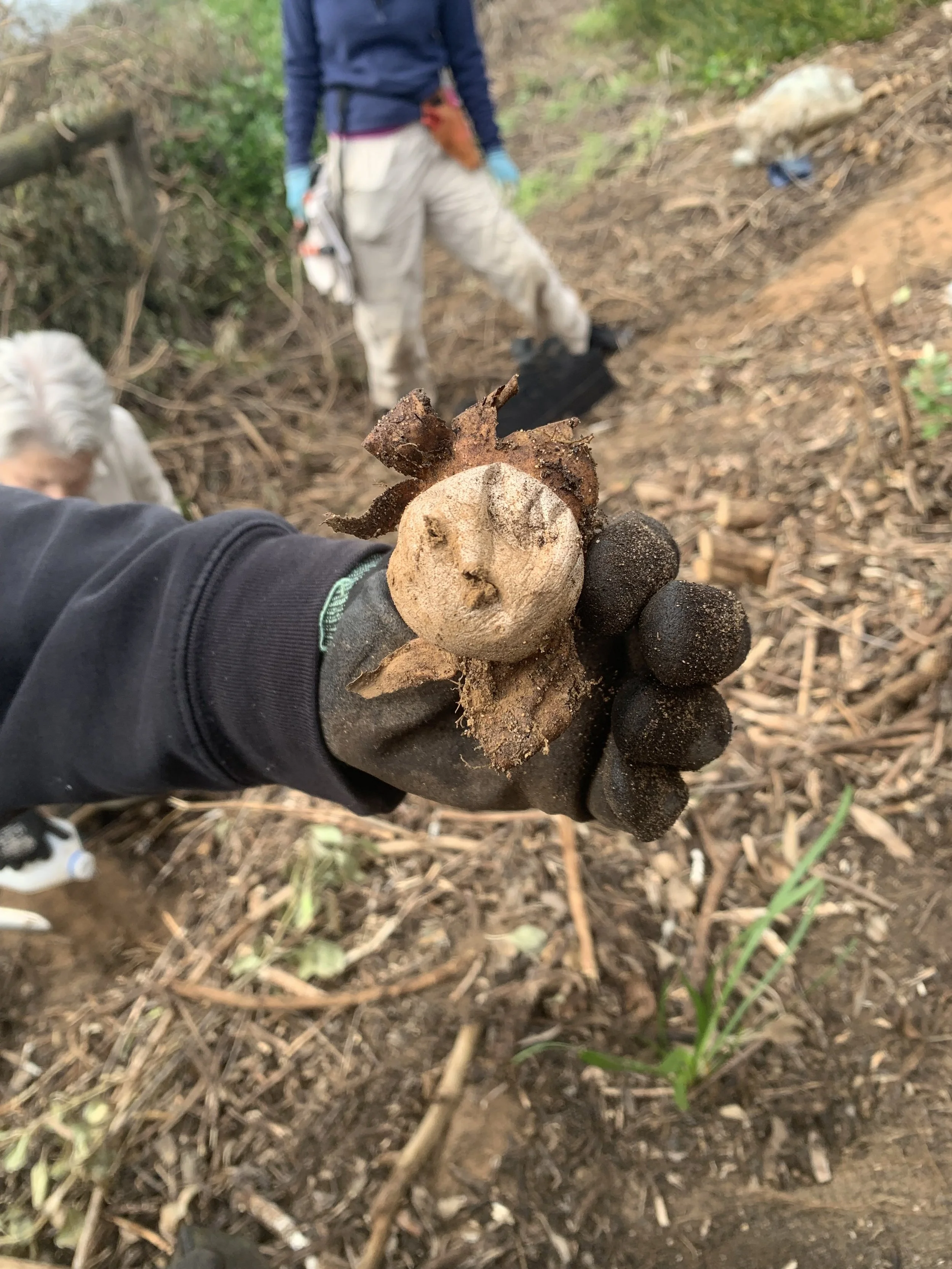
Earthstars
Scientific name: Geastrum
Family: GeastraceaeEarthstars belong to the puffball family (Geastraceae) and the genus Geastrum, which contains around 120 species worldwide. Earthstars have a unique two-layered fruiting body up to 5cm wide, sometimes stalked, always on a star-like base. The outer layer, called the exoperidium, splits into pointed rays that spread outward, forming a star shape. The inner layer, the spore sac is smooth and dusty-white with an irregular slit at its centre, which contains the gleba, a mass of spores that matures from white and firm to brown and powdery. Once the spores have matured, it will turn light brown and dry up.
It is common and widespread, with an ecological role in decomposing organic matter, hence, found in leaf litter in temperate and tropical regions, often in sandy soils. The earthstar prefers to grow near intricate root systems and helps the trees access the nutrients that are available in the soil. They are often found in groups, growing amongst the leaf litter near larger trees.
Written by Lisa Calder
Photograph by Misima Burns
Updated 2026