
The Land Creatures of Long Reef
Safeguarding Wildlife: Long Reef’s Unique Land Fauna
Long Reef, nestled along Sydney's Northern Beaches, is a rich habitat for a variety of land-dwelling fauna. The area supports a diverse range of species, from the well-known Blue-Tongued Lizard to the invasive Asian Tramp Snail, all thriving in the coastal landscape's grassy areas, dunes, and scrubland.
These land-based creatures play an important role in the local ecosystem, contributing to the balance of the environment. Ongoing conservation efforts, such as those led by Reefcare, are essential in protecting this unique land fauna, ensuring the health of these species and their habitats for generations to come.
-
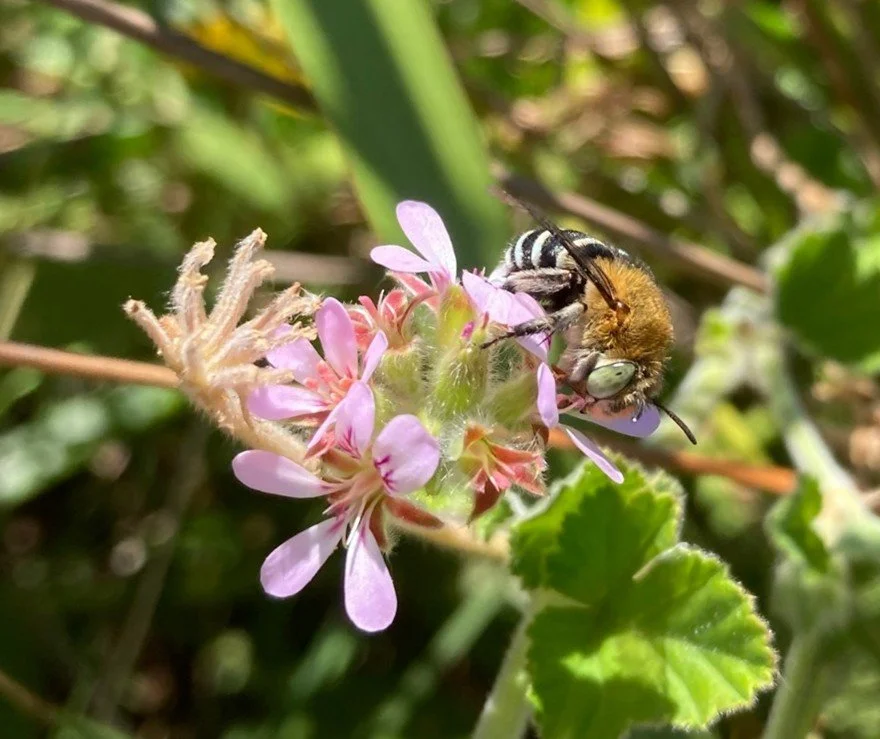
Blue-banded Bee
Scientific name: Amegilla spp
Family: Apidae (Long-tongued bees)
Status: Least Concern (LC)Blue-banded bees are widespread native bees found in many parts of Australia, including Sydney. They are commonly observed feeding on flowers, creating nests in dried clay or sandstone, and roosting overnight together on twigs. Adults can be observed from late Spring to early Autumn and are typically 8–14 mm in length, making them larger than many of our other native bees. The photo shows a blue-banded bee visiting native geranium (Pelargonium sp.) near the beach at Long Reef Headland. Blue-banded bees are important pollinators in our native ecosystems because they can perform buzz pollination, in which a forager bangs its head against a flower at a very high frequency in order to release pollen. Many native flowers require this form of pollination, which introduced honeybees (Apis mellifera) cannot provide, which is why native bees need to be protected.
Text and photo by GL
-
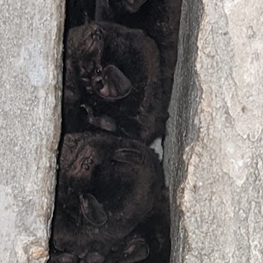
Eastern Bent-wing Bat
Scientific name: Miniopterus orianae oceanensis
Family: Miniopteridae (long-winged bats)
Status: Vulnerable (V)The eastern bent wing bat is a small, fast flying insect eating bat found along the east coast of New South Wales. It is best known for using caves, tunnels, and old mine workings as roosting and breeding sites, while foraging over bushland, wetlands, and urban areas at night. These bats play a vital role in local ecosystems by consuming large numbers of flying insects, including pest species. Eastern bent wing bats are sensitive to disturbance of their roost sites and surrounding habitat, and protecting caves, reducing light pollution, and conserving nearby bushland all help support this important native species. It can sometimes be seen on the headland during cooler months foraging at dusk when they emerge early to capitalise on insects before temperatures drop at night, by using echolocation.
Text and photo by BL
-

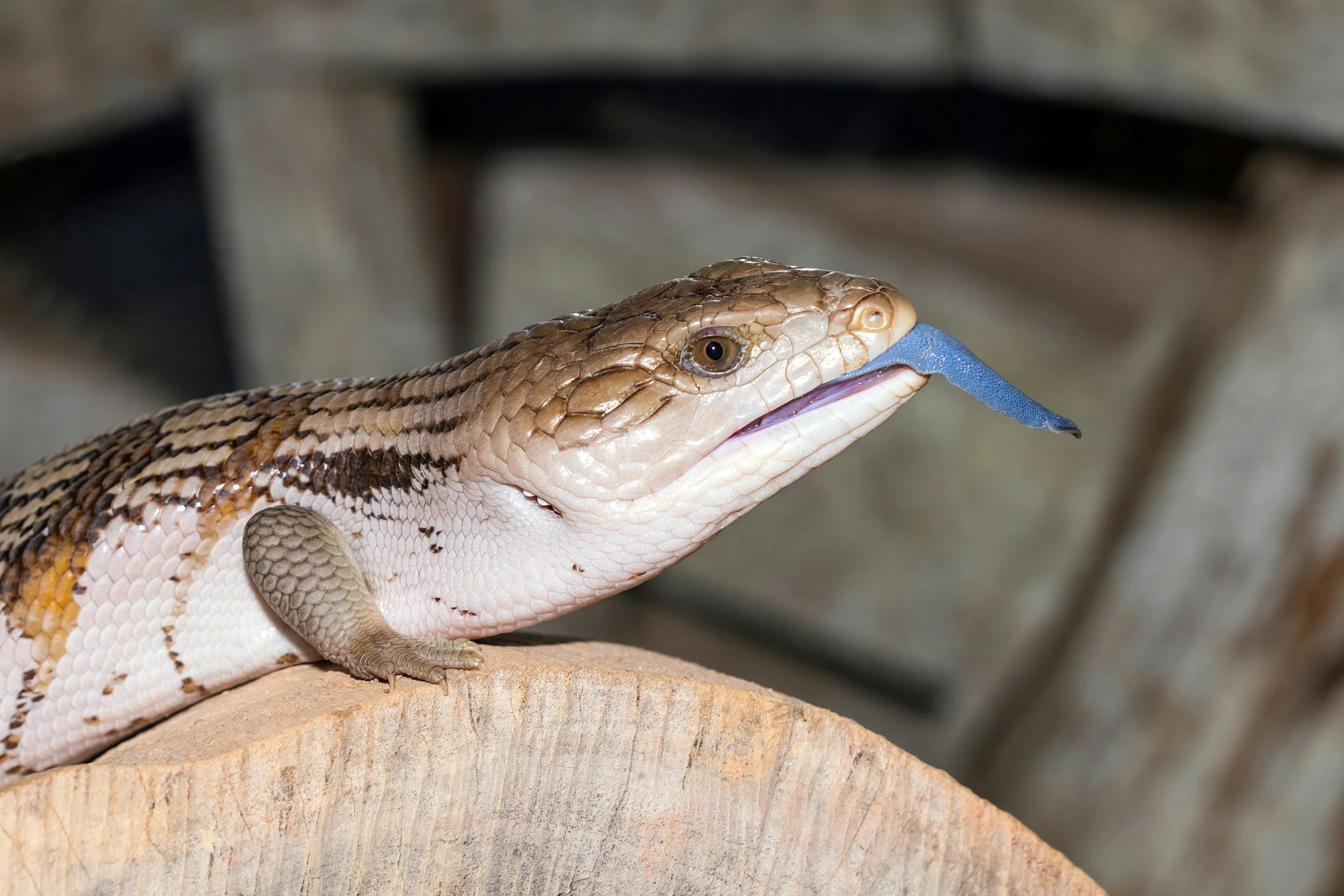
Eastern Blue-Tongue Lizard
Scientific name: Tiliqua scincoides
Family: Scincidae (Skinks)
Status: Least Concern (LC)The eastern blue tongue lizard is one of Australia’s most well known reptiles, commonly found in gardens, bushland, and urban green spaces across eastern New South Wales. Recognisable by its stout body and bright blue tongue, this lizard plays an important role in local ecosystems by helping control pests such as insects and snails. Eastern blue tongues are generally calm and curious animals that shelter under vegetation, rocks, or leaf litter and bask in the sun to warm up. Protecting natural habitat, leaving leaf litter undisturbed, and keeping dogs under control all help ensure these iconic reptiles continue to thrive alongside our community. They are occasionally encountered on Long Reef Headland, both adults and young, but their young are vulnerable to predation from kookaburras and probably nankeen kestrels of which are often seen at Long Reef.
Text and photo by BL
-
Grass Dart or Skipper
Genus: Ocybadistes
Family: Hesperiidae (Skippers)
Status: Least Concern (LC)The photo of this butterfly is actually a skipper. The skippers (Hesperiidae) can be difficult to distinguish without close examination, particularly the group to which this individual belongs, which are typically orange and black in colour and small to medium in size. The name comes from their quick, darting flight habits. When resting, the forewings are held vertically and the hindwings held horizontally (a trait distinctive to skippers). They have clubbed antennae, typical of butterflies.
Text by Gen L
-
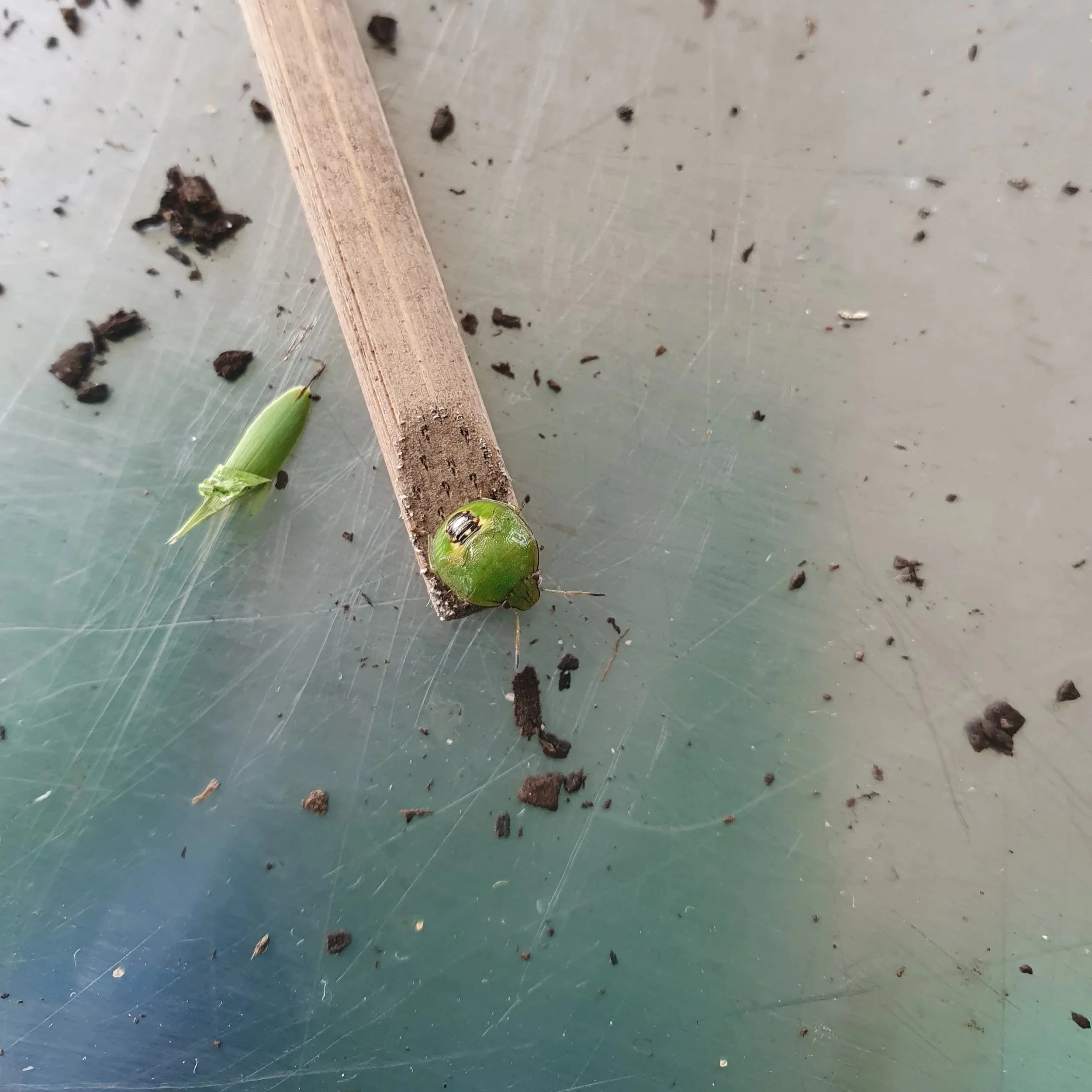
Green Stink Bug
Scientific Name: Plautia affinis
Family: Pentatomidae (Stink bugs)
Status: Least Concern (LC)These true bugs are yellow-green in colour with dark brown forewings; the individual pictured here is a nymph (juvenile), so its body exhibits a slightly different pattern and its wings have not yet developed. Like many stink bugs, the green stink bug feeds on plants using its pointed mouthparts and is considered a minor pest of several agricultural crops. The green stink bug has been observed on several plants at Long Reef including Leucopogon parviflorus (coast beard-heath or native currant) and Myoporum lucidum. However, it is a native species and is not usually considered a major concern.
Text & photo by Gen L
-
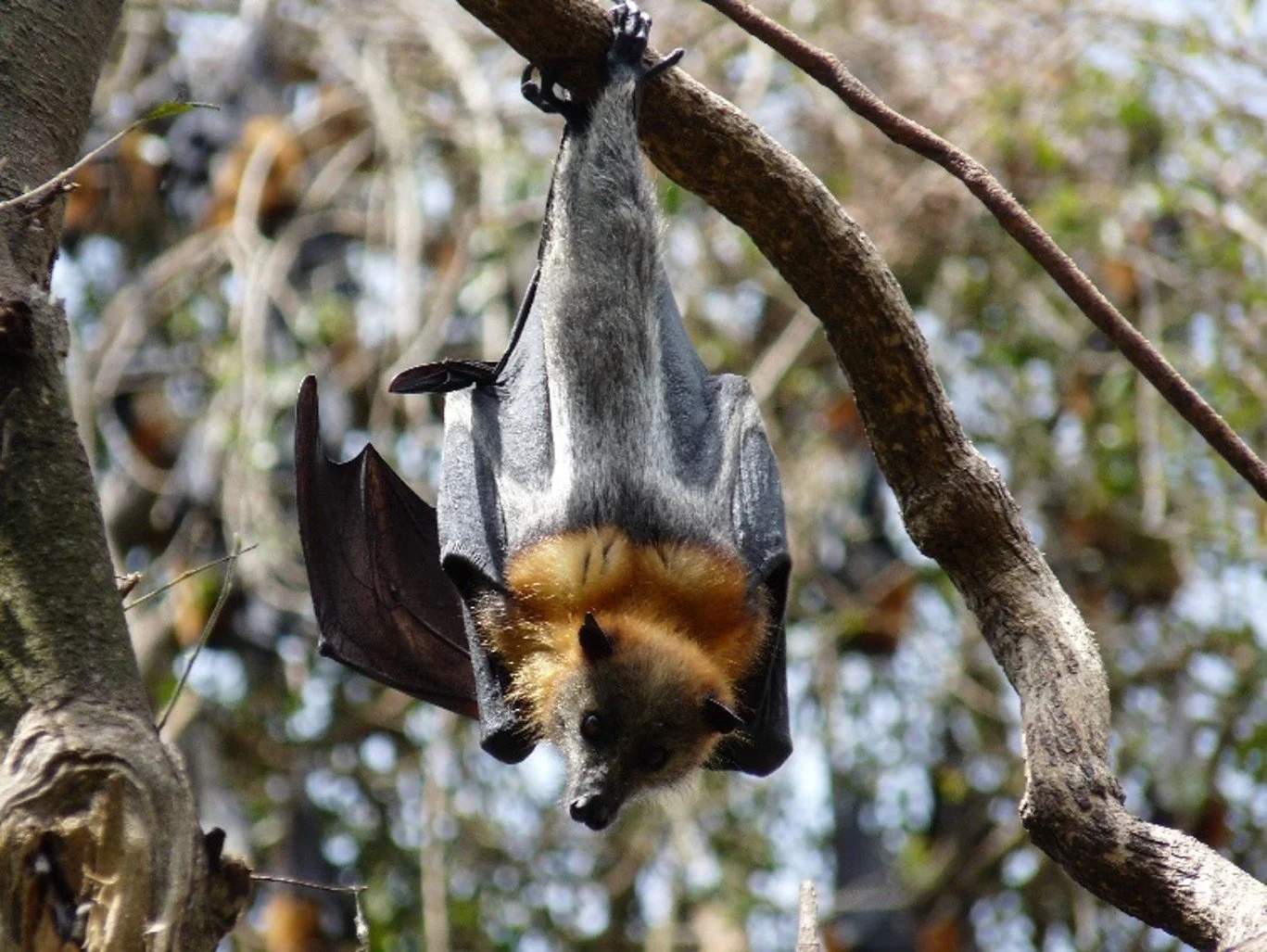
Grey-headed Flying Fox
Scientific name: Pteropus poliocephalus
Family: Pteropodidae (Old World Fruit Bats)
Status: Vulnerable (V)The grey headed flying fox is a large, highly mobile megabat native to eastern Australia, distinguished by its wingspan of up to one metre and its characteristic grey fur with a russet collar. As a key pollinator and seed disperser, this species plays a critical ecological role in maintaining the health and regeneration of native forests and woodlands. Grey headed flying foxes feed primarily on nectar, pollen, and fruit, often travelling considerable distances between feeding sites and communal roosts, known as camps. Despite their ecological importance, populations have experienced significant declines due to habitat loss and climate related stress events, and the species is currently listed as vulnerable. At Long Reef the bat feeds on nectar and pollen from flowers of Coastal Banksia Banksia integrifolia, which flowers between autumn and spring.
Text and photo by BL
-
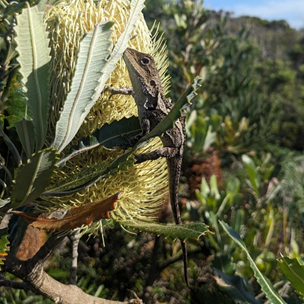
Jacky Dragon
Scientific name: Amphibolurus muricatus
Family: Agamidae (dragon lizards)
Status: Least Concern (LC)The jacky dragon is a small, agile lizard commonly found in open bushland, heath, and coastal reserves across eastern New South Wales. It is often seen perched on rocks, fallen logs, or paths, and it relies on its excellent camouflage to blend in with its surroundings. Jacky dragons feed on insects and other small invertebrates. During spring and summer, males are known for their distinctive head bobbing displays used to communicate and defend territory. Females lay up to eight eggs each clutch during the summer in sandy deposits under bark or decaying vegetation. Protecting bushland, keeping dogs under control, and staying on tracks all help ensure this lively native reptile continues to thrive in our local area. The jacky dragon more commonly occurs behind the dunes of Long Reef beach, but is occasionally encountered on the headland.
Text and photo by BL
-
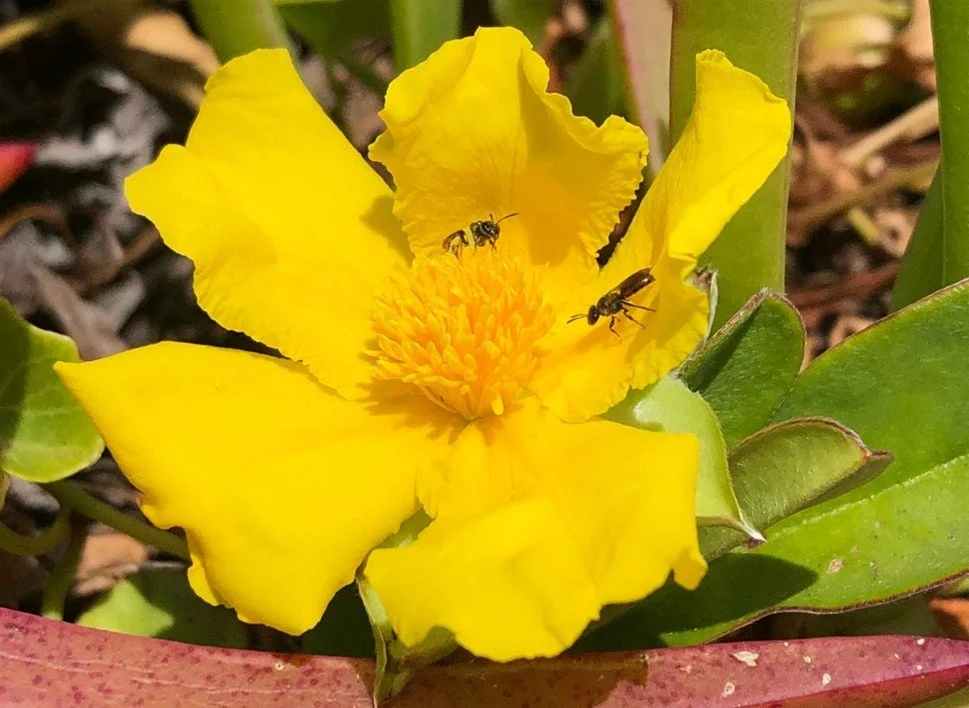
Lasioglossum Bees
Scientific name: Lasioglossum spp
Family: Apidae (Long-tongued bees)
Status: Least ConcernLasioglossum is a widespread genus of bees that contains many species, quite a few of which are difficult to distinguish, even with a microscope! The name ‘Lasioglossum’ means ‘hairy tongue’, referring to the tiny hairs found on their mouth parts. It has been estimated that 30 described species of Lasioglossum are found around coastal NSW, and there are more than 300 species across Australia and many more globally. They are small in size (4–12 mm) but are important pollinators and will visit many native (and non-native) plant species. They store pollen primarily on their upper hind legs, which they use to provision their offspring with. Several species of Lasioglossum have dark red abdomens, as you can see for the photographed individuals above, observed foraging on Hibbertia scandens flowers at Long Reef Headland.
Photos and text by GL
-
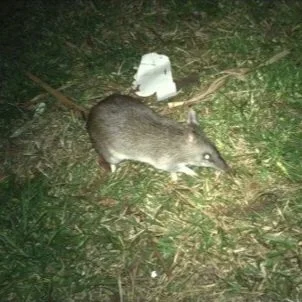
Long-nosed Bandicoot
Scientific name: Perameles nasuta
Family: Peramelidae (Bandicoots)
Status: Least Concern (LC)The long‑nosed bandicoot (Perameles nasuta) is a small, nocturnal marsupial native to eastern Australia, recognised for its elongated nose and coarse grey‑brown fur. Primarily insectivorous, it forages extensively at night, using its acute sense of smell to locate invertebrates, fungi, and plant matter beneath the soil surface. This foraging behaviour results in characteristic conical diggings, which contribute significantly to soil turnover, aeration, and nutrient cycling within its habitat. The species occupies a range of environments, including forests, heathlands, and urban fringes, demonstrating a degree of ecological adaptability. On the Northern Beaches the bandicoot’s population exhibited a major recovery in 2009, possibly because of coordinated fox baiting throughout northern Sydney. Since that time its population appears to fluctuate with booms and busts related to annual rainfall.
Text and photo by BL
-
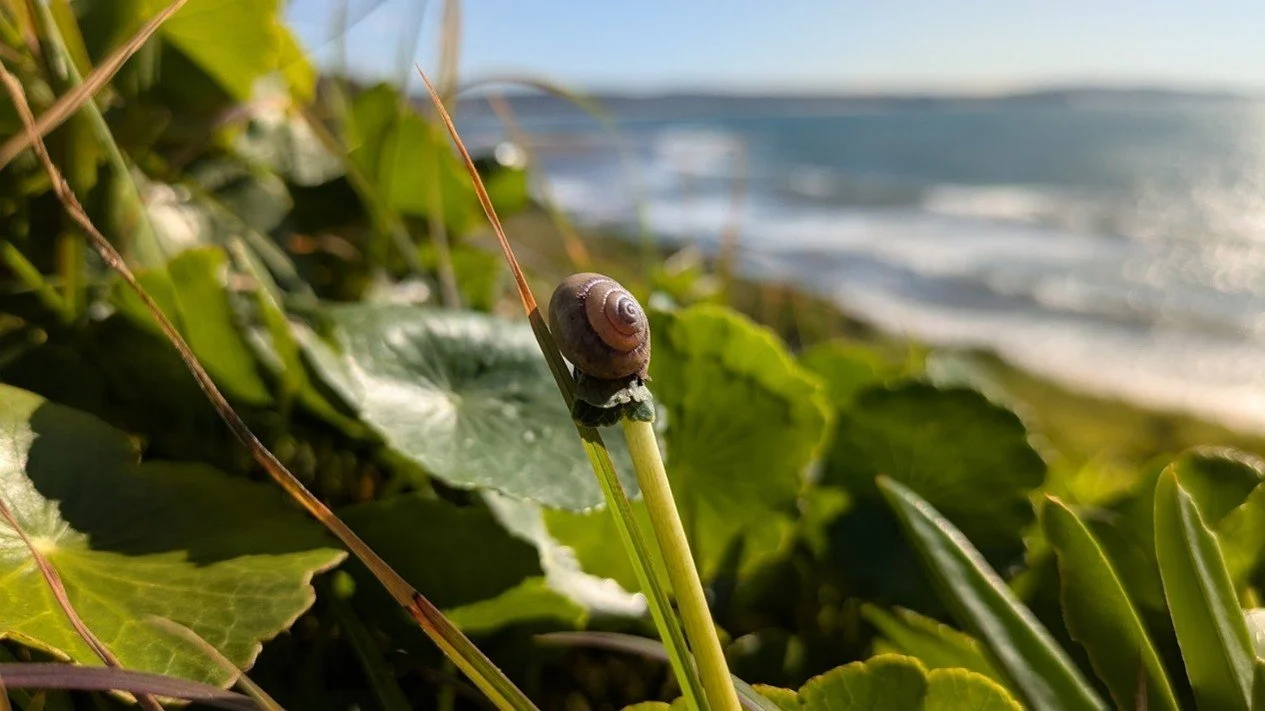
Maroubra Land Snail
Scientific name: Meridolum marshalli
Family: Camaenidae (Land snails)
Status: Endangered (E)The Maroubra land snail is a small but important native species found in only a handful of coastal locations in Sydney’s eastern suburbs, including Maroubra. It lives in leaf litter and moist soil beneath coastal vegetation, where it helps recycle nutrients by feeding on decaying plant matter. Their numbers have been declining due to habitat loss, urban development, trampling, and moisture changes in the soil. The snail was observed at Long Reef Headland during Reefcare over the last several years and was subsequently confirmed by Stephanie Clarke in 2023. This is one of the few locations where it has been recorded north of Sydney Harbour. It has not been sighted beneath bitou bush, despite considerable time spent removing this weed. Protecting remaining bushland, avoiding disturbance of leaf litter, and supporting local conservation efforts are vital to ensuring this snail survives for future generations.
Text and photo by BL
-
Meadow kaydid or Bush Cricket
Genus: Conocephalus
Family: Tettigoniidae (Bush crickets)
Status: Least Concern (LC)Insects in the family Tettigoniidae are commonly called katydids or bush crickets. The lifespan of a katydid is about a year, with full adulthood usually developing very late. This photo is of a female. Their body is bright green in colour with dark brown on the back, the male being more brown and less bright green. They grow to around 20 mm with long antennae (grasshoppers and locusts tend to have shorter antennae). Katydids are usually omnivorous, and can feed on flowers, seeds, and insects. They produce low buzzing calls throughout the summer season. They are normally nocturnal, but can be active late afternoon.
Text by Gen L
-
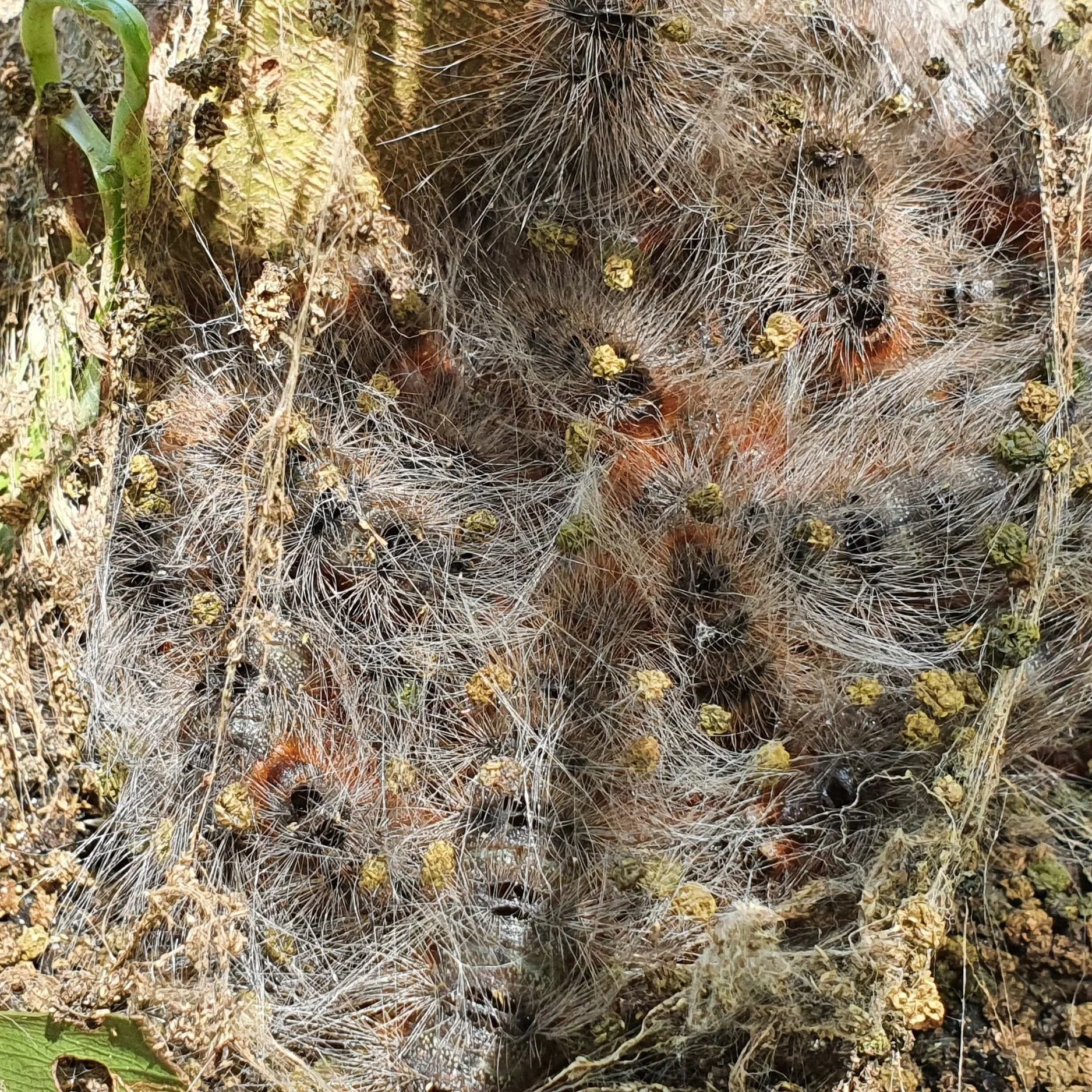
Processionary Caterpillar, Bag-shelter Moth
Genus: Ochrogaster
Family: Notodontidae (Prominent Moths)
Status: Least Concern (LC)Processionary caterpillars are grey and hairy with a brown head. During the daytime, the caterpillars hide communally in a nest, a shelter of silk, frass, old skins, and other debris. They feed nocturnally on a variety of Australian native trees and shrubs. This nest at Long Reef is at the bottom of an Acacia longifolia of which most of the leaves were eaten. Their nests can also be located on a shoot at the end of a branch, or sometimes high on the trunk. When disturbed, the caterpillars are inclined to curl up into a tight hairy spiral. When mature and on the move, the processionary caterpillars walk one behind another, hence their name. At this time, the caterpillars must find somewhere to pupate, having grown to a length of about 4 cm. The caterpillars must also move if they totally defoliate their food tree and have to locate another one. Each caterpillar will leave a trail of silk from its spinneret near its mouth behind it when it walks. When a caterpillar of this species encounters such a silken trail, it starts to follow it. The adults are stout, furry brown moths, usually about 4 cm in length and sometimes with a pale dot on each forewings. Hairs from both the caterpillars and adults can be irritating.
Text by Gen L, Photo by Lisa
-
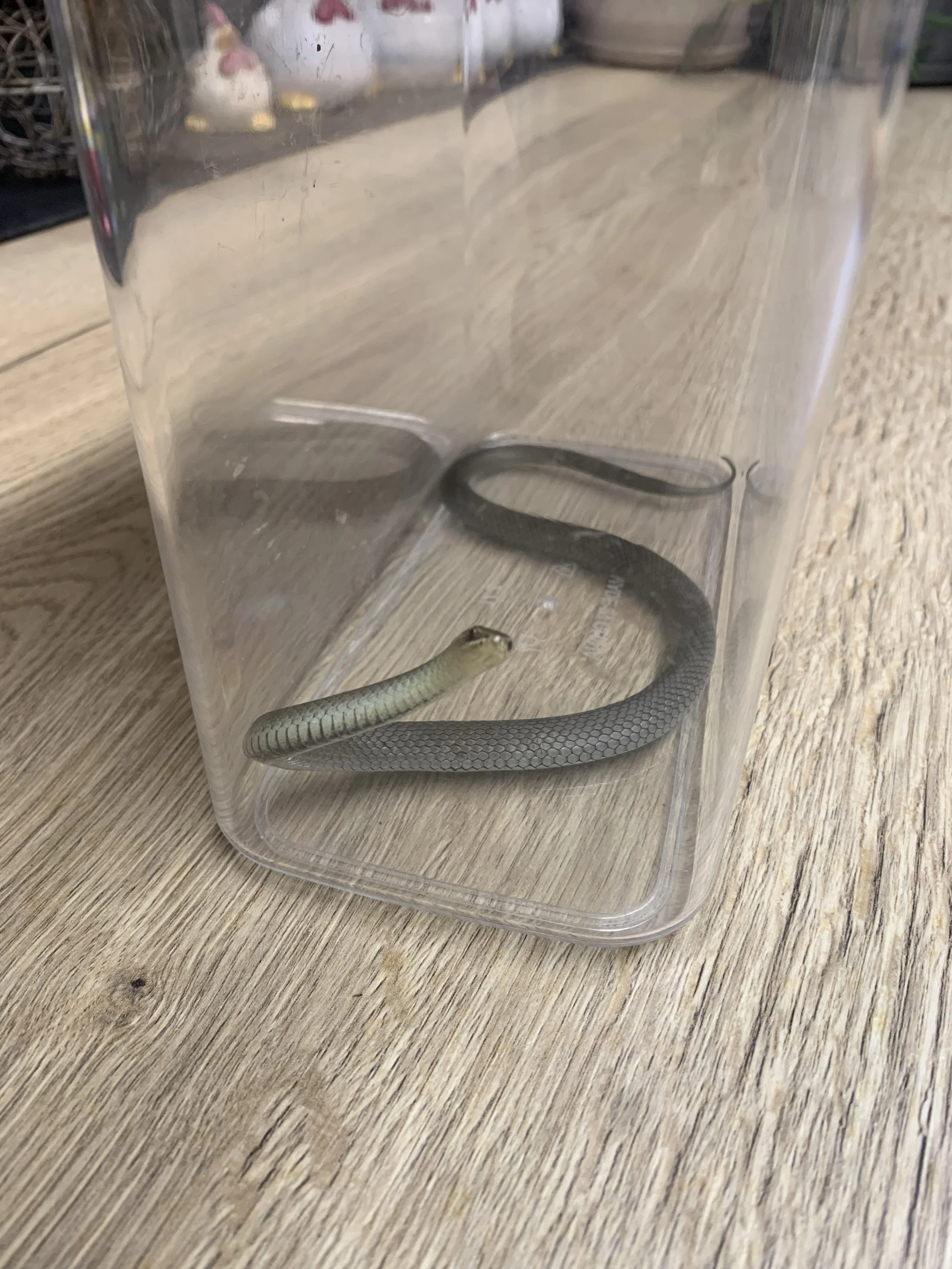
Swamp Snake
Scientific name: Hemiaspis signata
Family: Elapidae (front-fanged venomous snakes)
Status: Least Concern (LC)The swamp snake, also call a marsh snake or black-bellied swamp snake, is a small, shy, non aggressive native snake found in wetlands, swamps, and moist bushland along the east coast of New South Wales. Often active during cooler weather or after rain, it shelters under leaf litter, logs, and debris, where it feeds on frogs and small reptiles. It’s front fangs can deliver venom that causes localised swelling, muscle soreness, nausea and headaches, but despite this, swamp snakes are very reluctant to defend themselves and pose little risk to people if left undisturbed. Protecting wetlands, avoiding disturbance of natural ground cover, and giving snakes space when encountered all help support this secretive species and maintain a healthy local ecosystem. At Long Reef the snake is most commonly encountered near Dee Why Lagoon.
Text by BL and photo by Misima
-
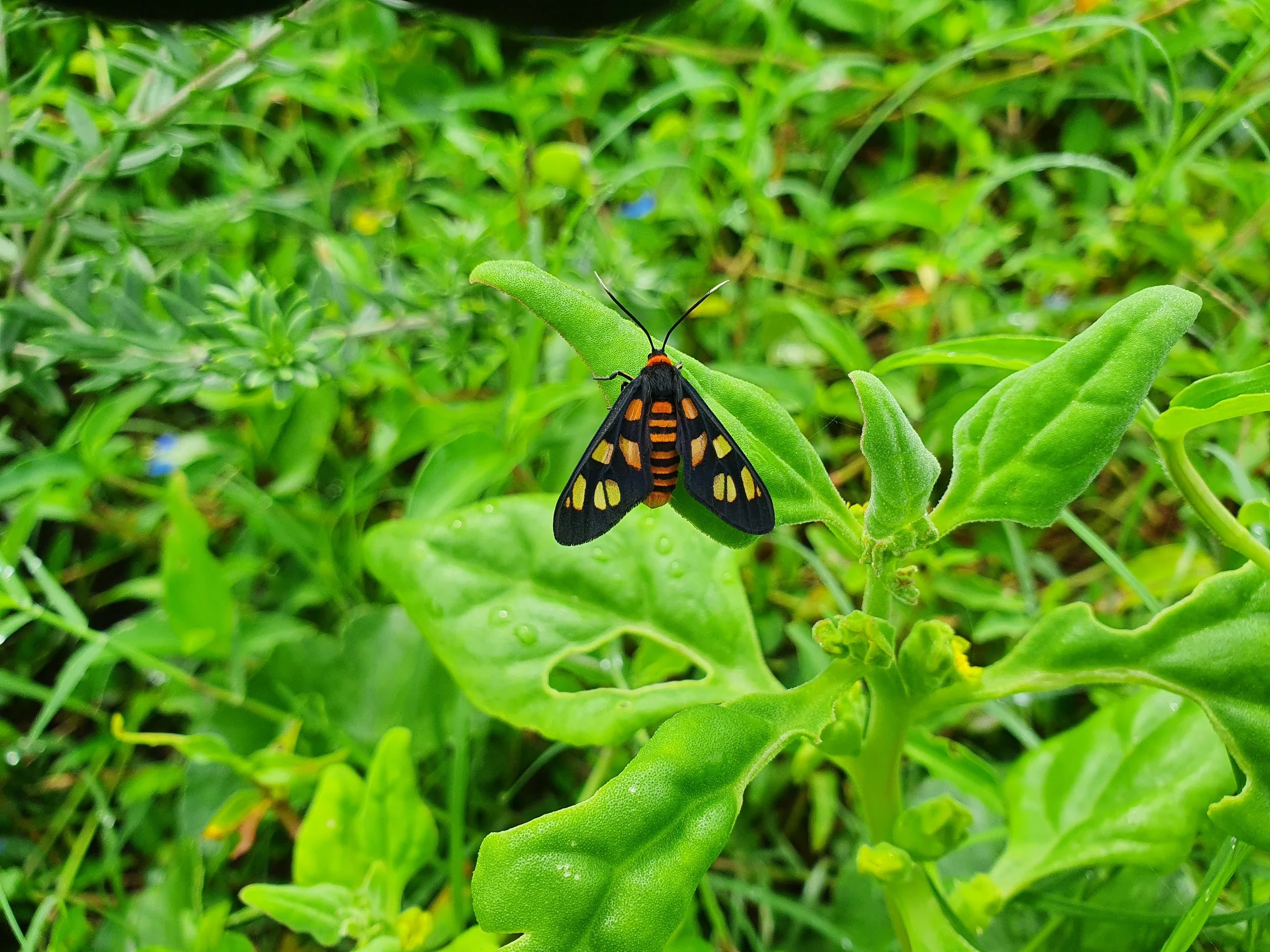
Tiger Moth
Genus: Amata
Family: Arctiidae (Tiger moths, lichen moths, and footmen)
Status: Least Concern (LC)Tiger Moths are found across much of the coastal areas of Australia. They can commonly be observed in Sydney, and were particularly common at the Long Reef bushcare site in March 2022, potentially due to the previous wet summer. Tiger moths are important food sources for small birds, potentially including wrens and willy wagtails which we have at Long Reef. Their bright, tiger-like colours warn predators that they may be distasteful.
Text by Gen L, Photo by Lisa
Updated 2026