
Longreef: A Haven for Birdlife
Preserving Paradise: Long Reef's Vital Habitat
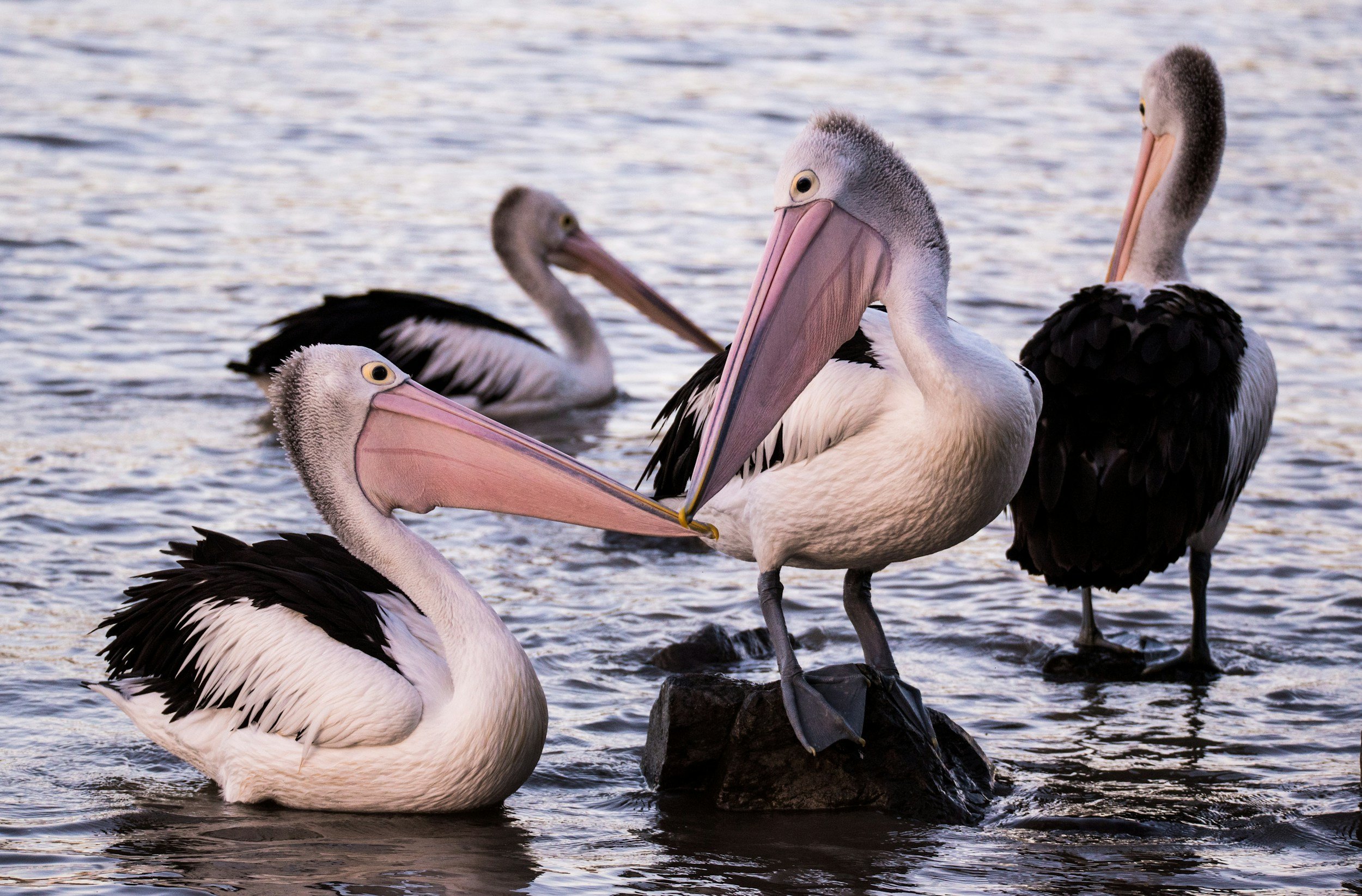
Long Reef's headland grasslands and rock platform are essential habitats for diverse bird species, including migratory shorebirds and Arctic breeders. Despite habitat loss and invasive species, efforts by Reefcare volunteers and Warringah Council have increased bird diversity.
With over 140 species, Long Reef supports threatened species like Lewin’s Rail, Little Penguins, and Ospreys. Sooty Oystercatchers and others rely on Long Reef's protected environment for survival. Reefcare's restoration projects, including bush regeneration and invasive species removal, have rejuvenated habitats, boosting wildlife populations.
Long Reef's designation as a Marine Protected Area underscores its significance in safeguarding birdlife and biodiversity.
-
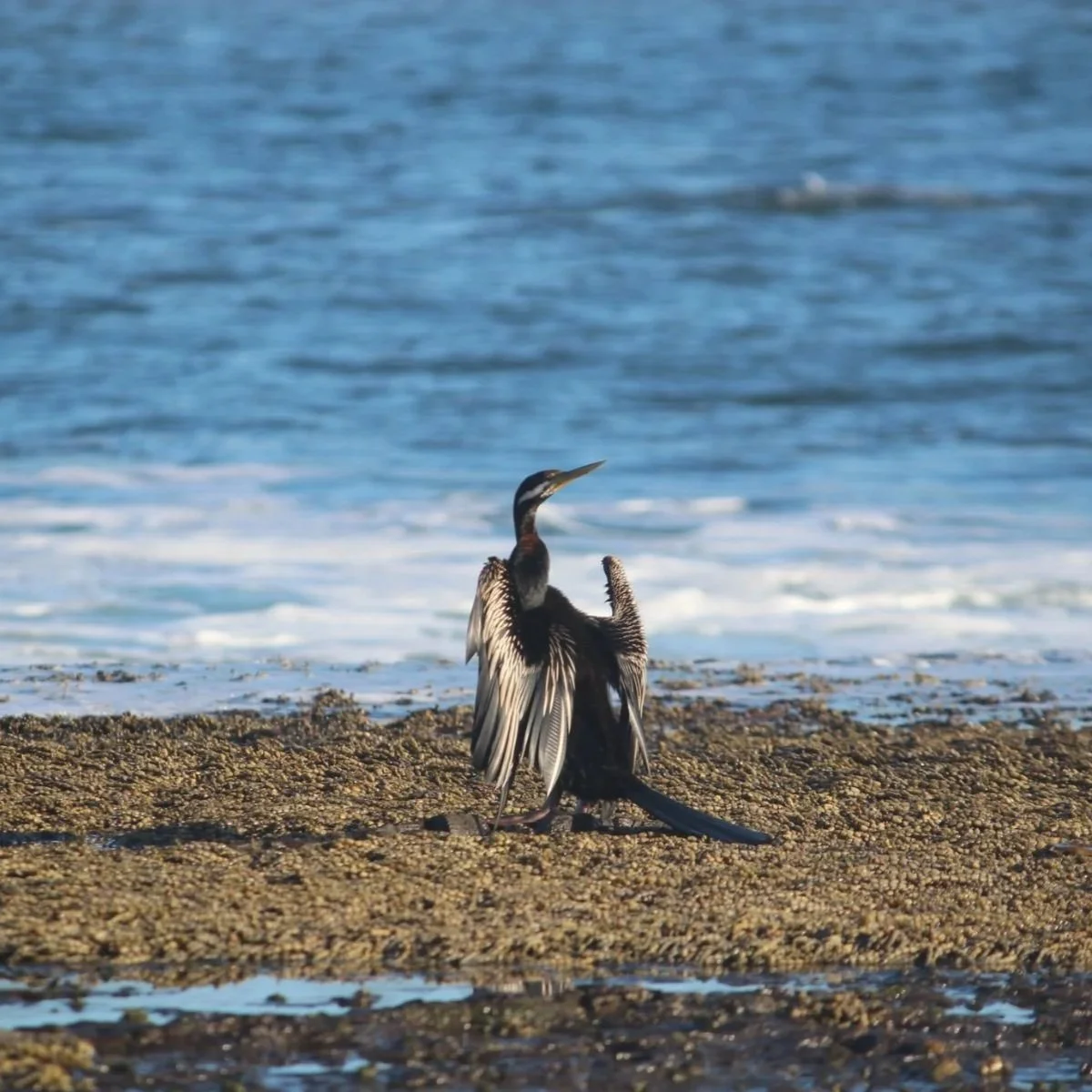
Australasian Darter
Scientific name: Anhinga novaehollandiae
Family: Anhingidae (darters)
Group: Waterbirds
Status: Least Concern (LC)The Australasian darter is found throughout Australasia in shallow coastal and inland water bodies including Long Reef. Their diet mainly consists of fish but they also eat amphibians, terrapins, aquatic invertebrates and vegetable matter. They capture their prey by spearing them underwater and then swallow them whole before spreading their non-waterproof wings to dry.
Photo by Misima Burns
-
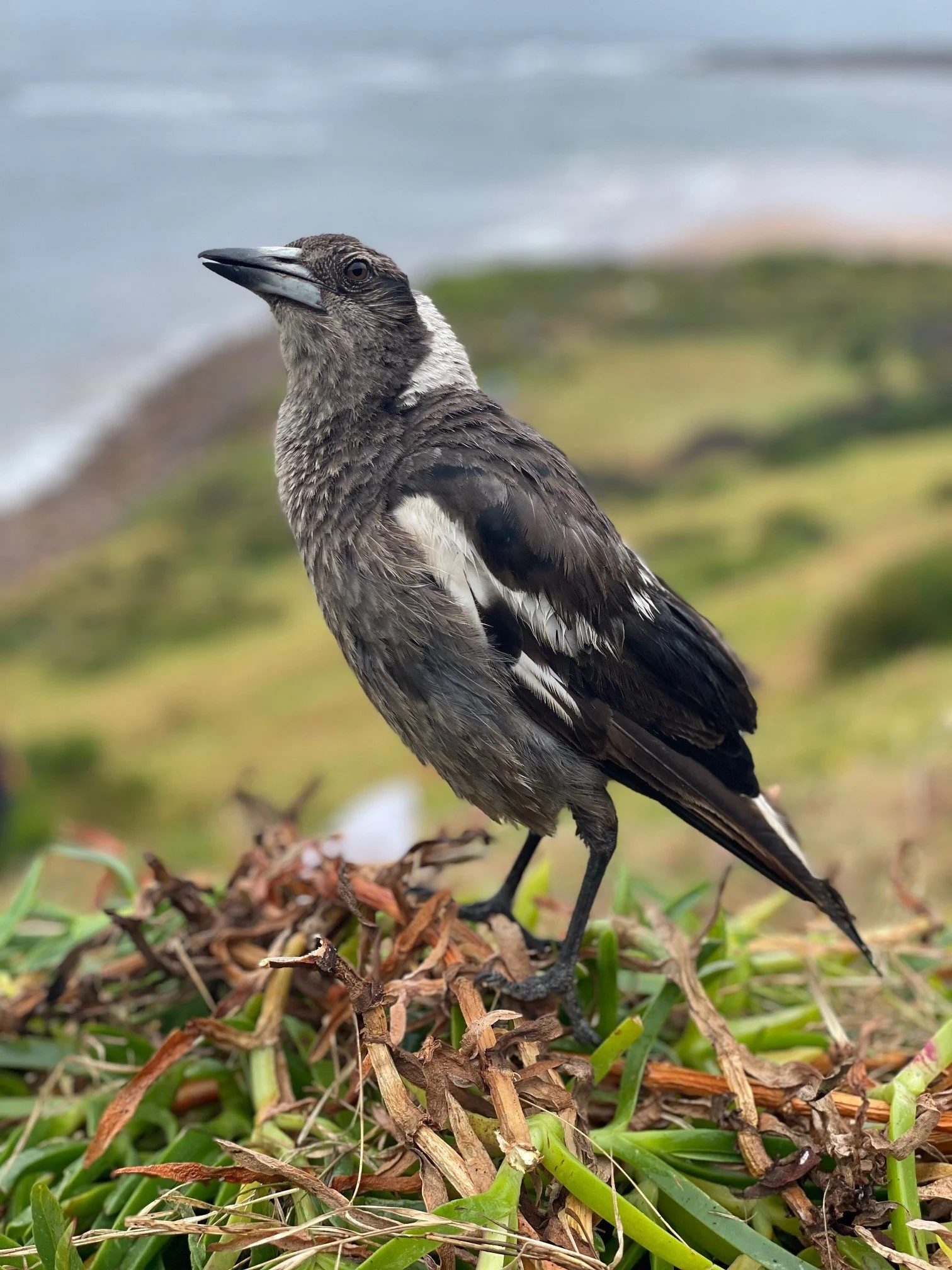
Australian Magpie
Scientific name: Gymnorhina tibicen
Family: Artamidae (Currawongs and Allies)
Group: Bush/Garden/Common birds
Status: Least Concern (LC)The Australian magpie is a medium-sized passerine known for its warbling song that is native to Australia and southern New Guinea. Belonging to the Gymnorhina genus, it originated around 60 million years ago. Male magpies have white napes, upper tails, and shoulders, females have mottled grey backs. They are insectivorous and omnivorous birds.
Photo by Mary Clarkson
-
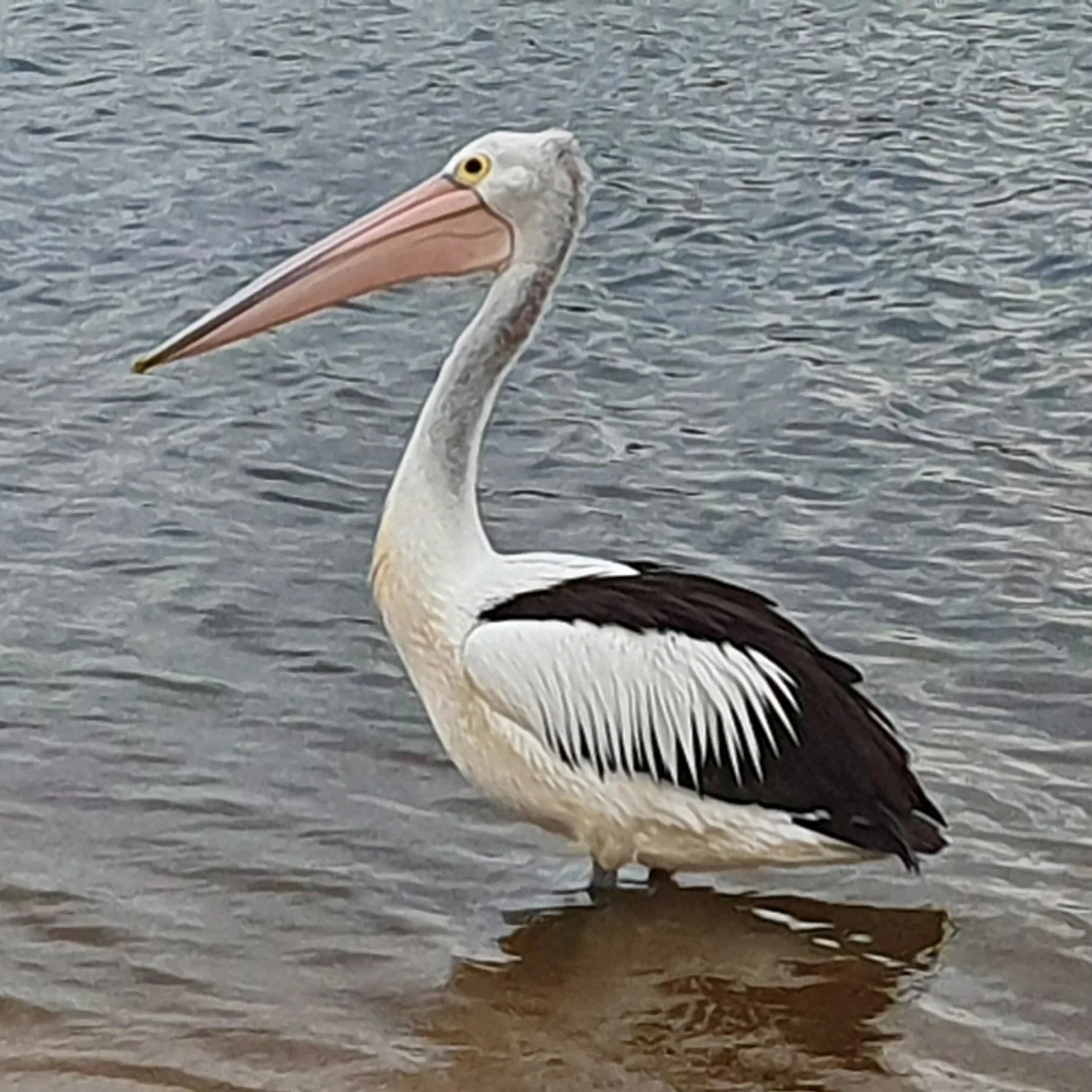
Australian Pelican
Scientific name: Pelecanus conspicillatus
Family: Pelecanidae (Pelicans)
Group: Waterbirds
Status: Least Concern (LC)The Australian Pelican is found throughout Australia and Tasmania in estuaries, rivers, lakes, and mud-flats. It breeds in colonies with nests in ground hollows spaced 3-4 feet apart, and occasionally on coastal islets that supporting up to 150-200 nests. Their diet consists mainly of small fish, supplemented with shrimp and prawns. They are iconic coastal birds.
Photo by Lisa Calder
-
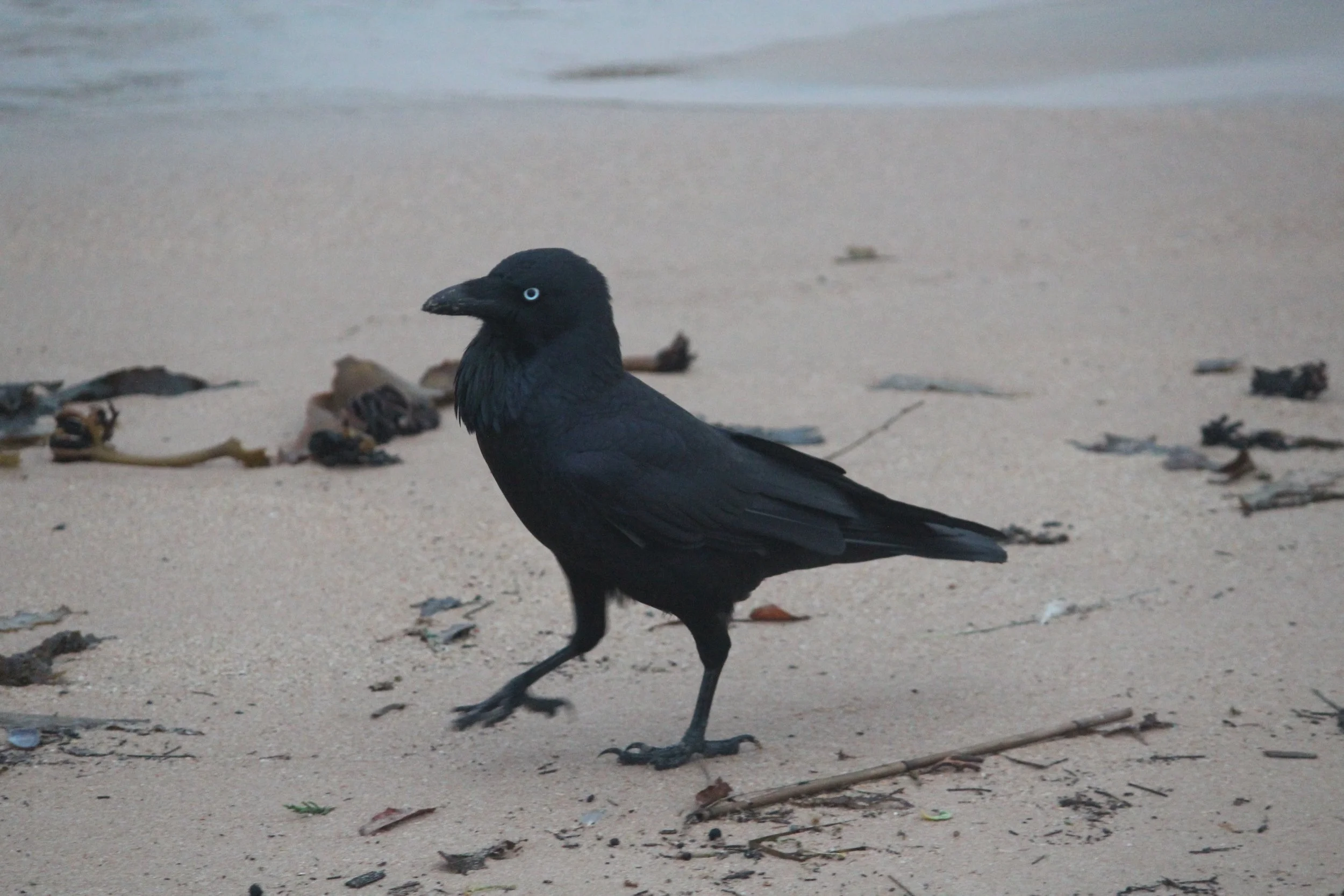
Australian Raven
Scientific name: Corvus coronoides
Family: Corvidae (Crows and ravens)
Group: Bush/Garden/Common birds
Status: Least Concern (LC)The Australian Raven is commonly found throughout eastern, southern and central Australia in a range of habitats. They are mainly carnivorous but has a diverse diet including small animals, insects, grains, fruit, eggs and carrion. They build large nests out of sticks, grass, bark and feathers, and raise one brood per year. They are very social and intelligent animals.
-
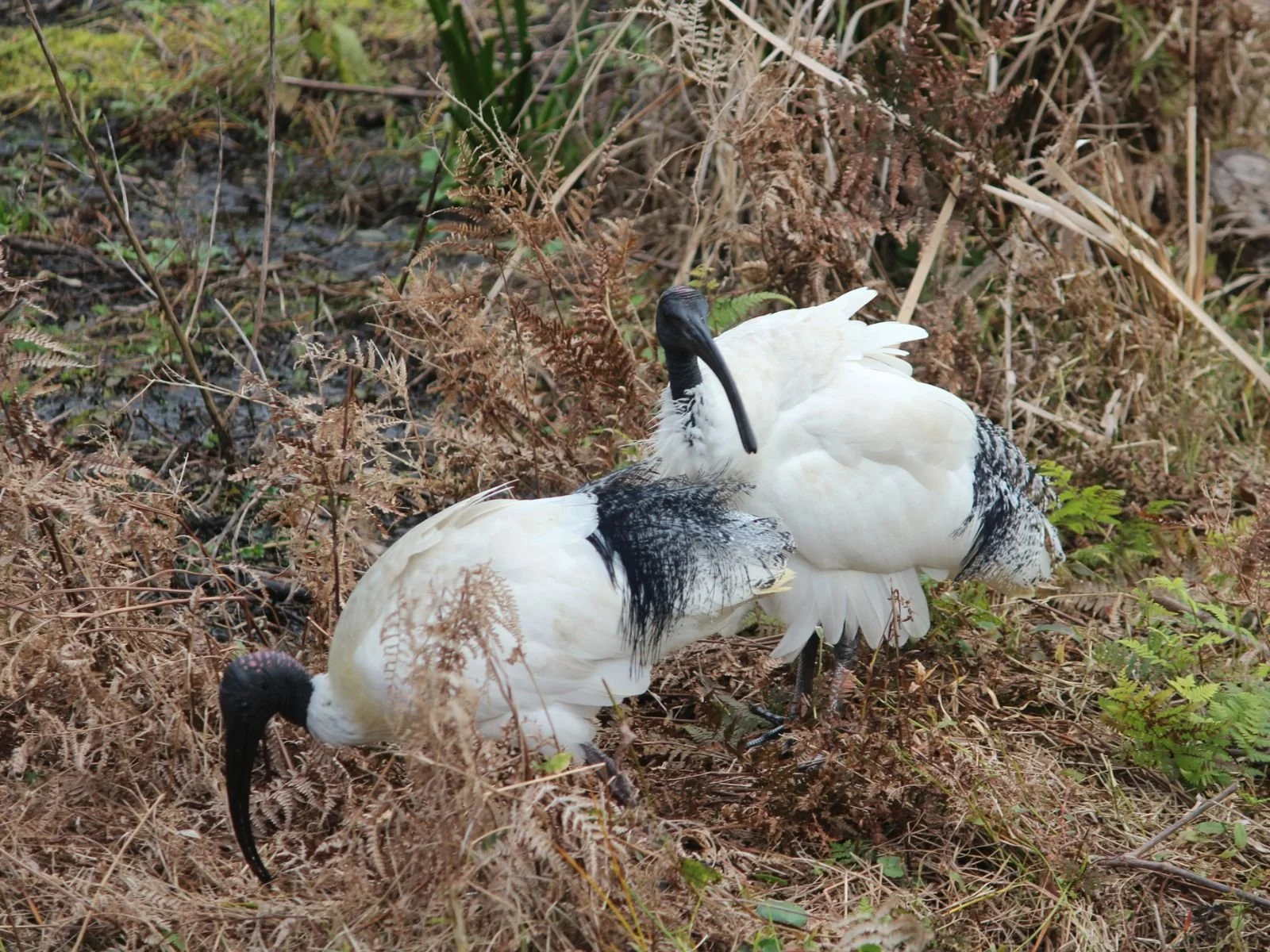
Australian White Ibis
Scientific name: Threskiornis molucca
Family: Threskiornithidae (Ibises and spoonbills)
Group: Waterbirds
Status: Least Concern (LC)The Australian White Ibis or ‘bin chicken’ is very common throughout most of mainland Australia, in urban areas and natural waterbodies. They eat many different types of food, including crayfish, mussels and insects, but some populations rely on human scraps. To mate they perform a noisy courtship ceremony involving a twig and then fly to nest in large colonies.
-
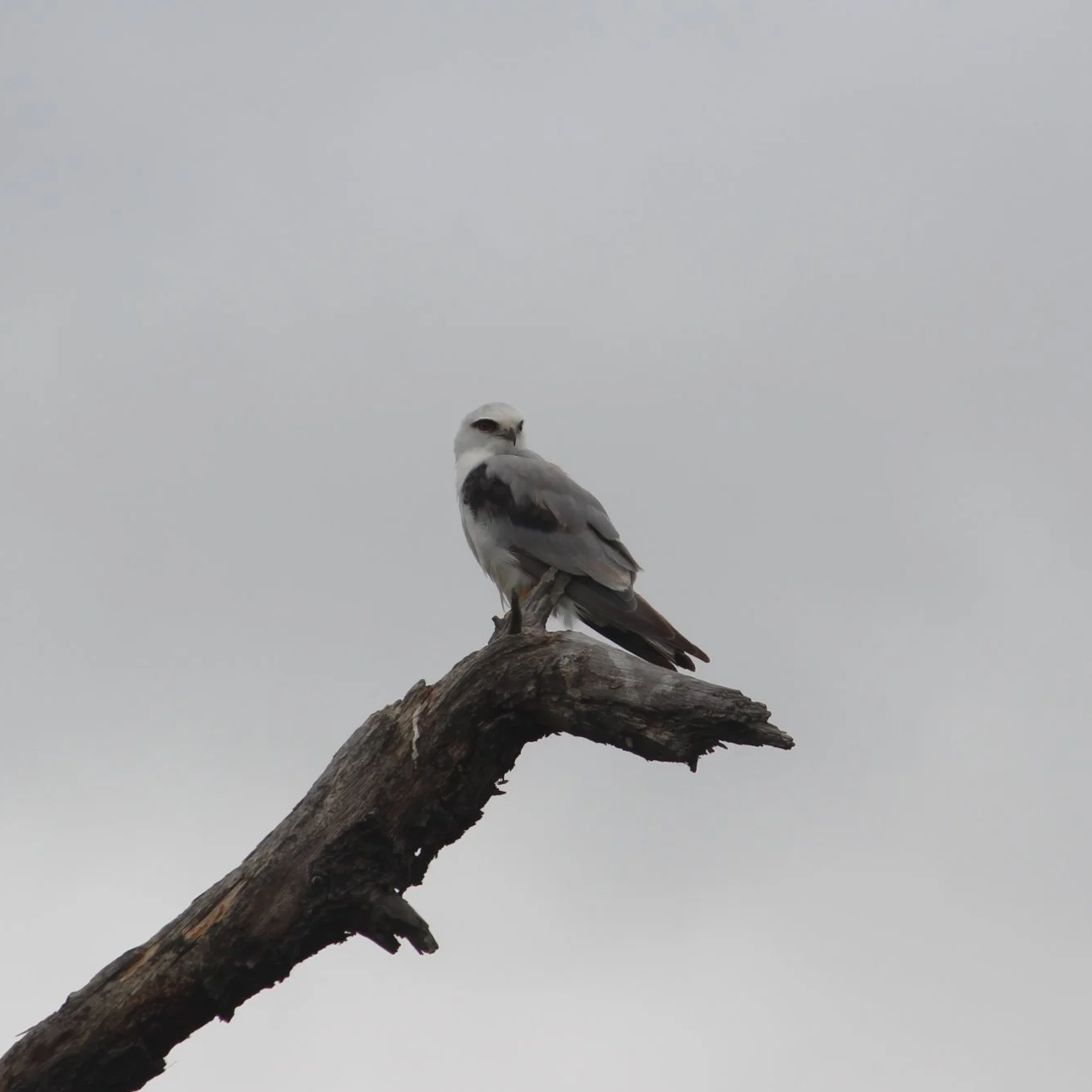
Black Shouldered Kite
Scientific name: Elanus axillaris
Family: Accipitridae (Hawks, Eagles, and Kites)
Group: Birds of Prey
Status: Least Concern (LC)The Black‑shouldered Kite is a small raptor, often seen hovering to catch small rodent prey like mice. It mainly inhabits treed grasslands and crop fields across Australia, nesting in high trees or on structures like poles. These kites form monogamous pairs through courtship involving mid‑air feeding and aerial acrobatics. They lay 2‑5 eggs, hatching in about 34 days.
-
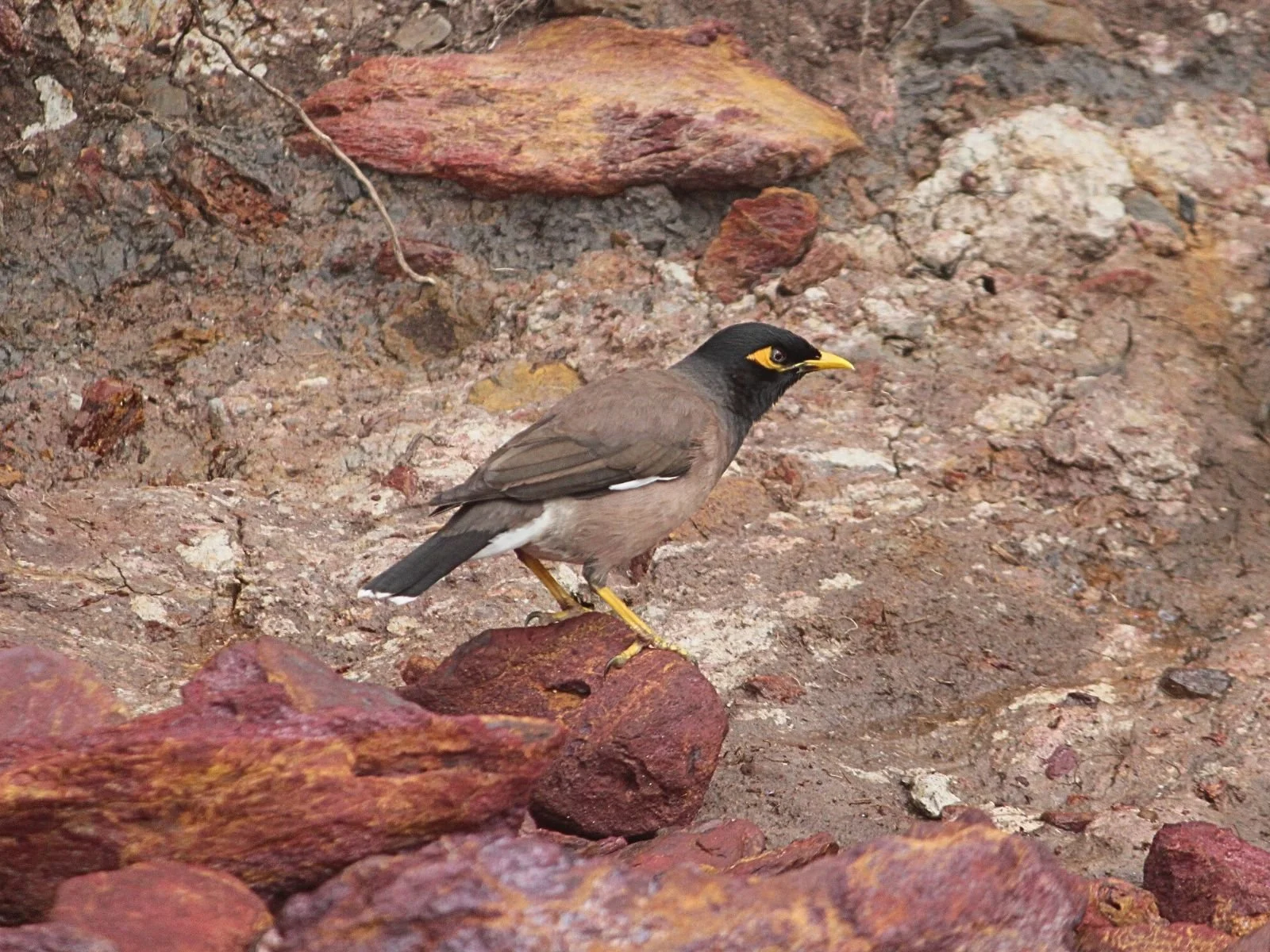
Common Myna (Indian Myna)
Scientific name: Acridotheres tristis
Family: Sturnidae (Starlings)
Group: INVASIVE
Status: Least Concern (LC)The Common Myna is an invasive pest commonly seen on the Long Reef headland. It outcompetes native bird species for food and nests due to its aggressiveness and opportunistic behaviour. It is found throughout east and south east Australia near human habitation. It is a scavenger that eats a wide variety of foods like insects, fruits, scraps, and sparrow fledglings.
-
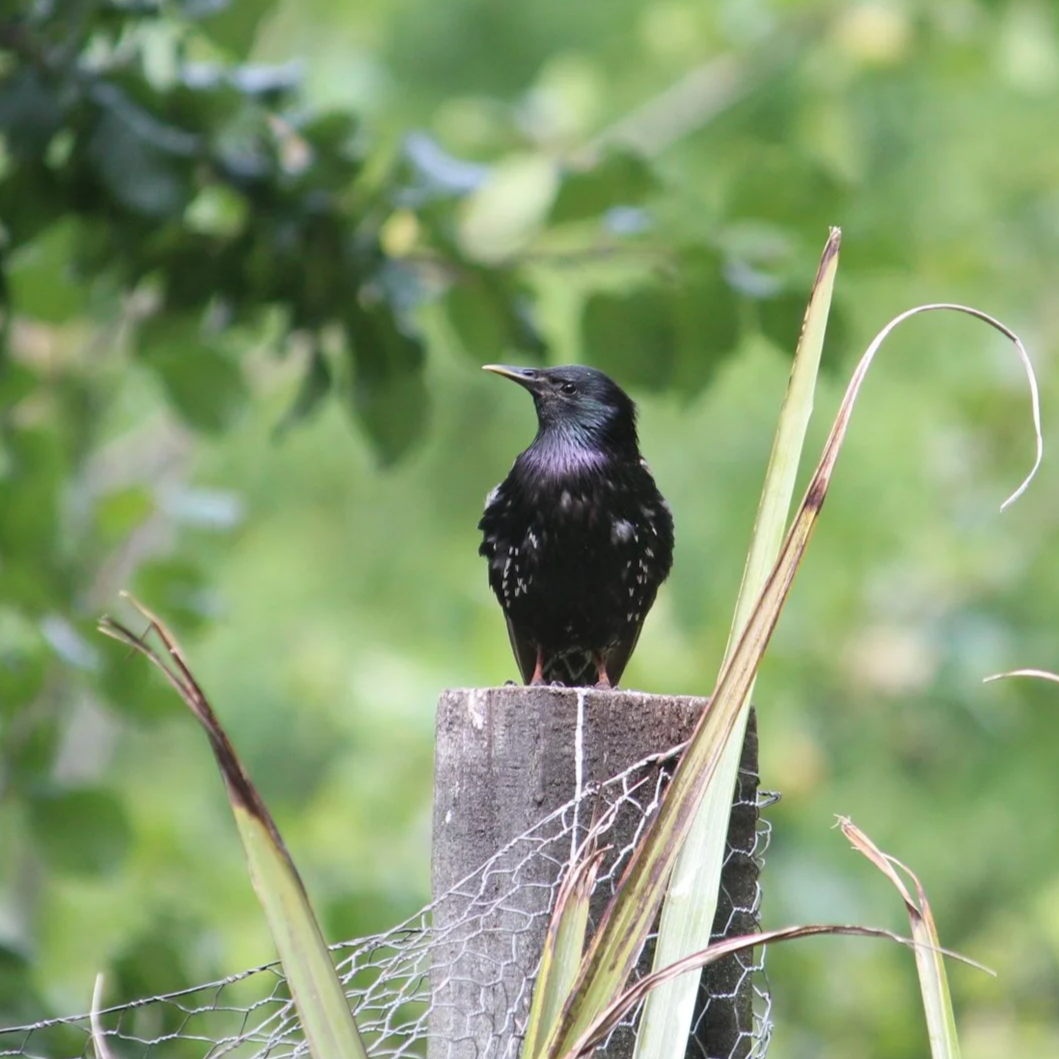
Common Starling
Scientific name: Sturnus vulgaris
Family: Sturnidae (Starlings)
Group: INVASIVE
Status: Least Concern (LC)The Common or European Starling is an invasive species that can unfortunately be found at Long Reef and throughout eastern and south-eastern Australia. They are particularly impactful pests as they form massive flocks that eat fruit and seed crops, but also eat insects and human food scraps. When nesting they are aggressive and out compete native species for tree hollows.
-
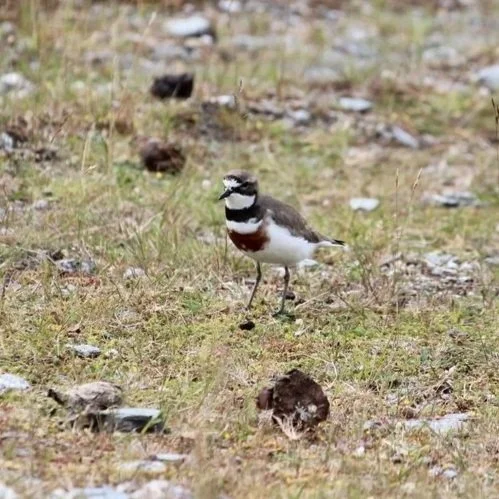
Double-Banded Plover
Scientific name: Anarhynchus bicinctus
Family: Charadriidae (plovers)
Group: Shorebirds
Status: Near Threatened (NT)The Double-Banded Plover can be frequently spotted at Long Reef and other coastal areas in Australia including wetlands and grasslands during winter. They migrate to New Zealand to breed where they form seasonal monogamous pairs and construct nests in sand, cushion plants or between rocks. They are opportunistic carnivores that feed on insects and aquatic invertebrates.
-
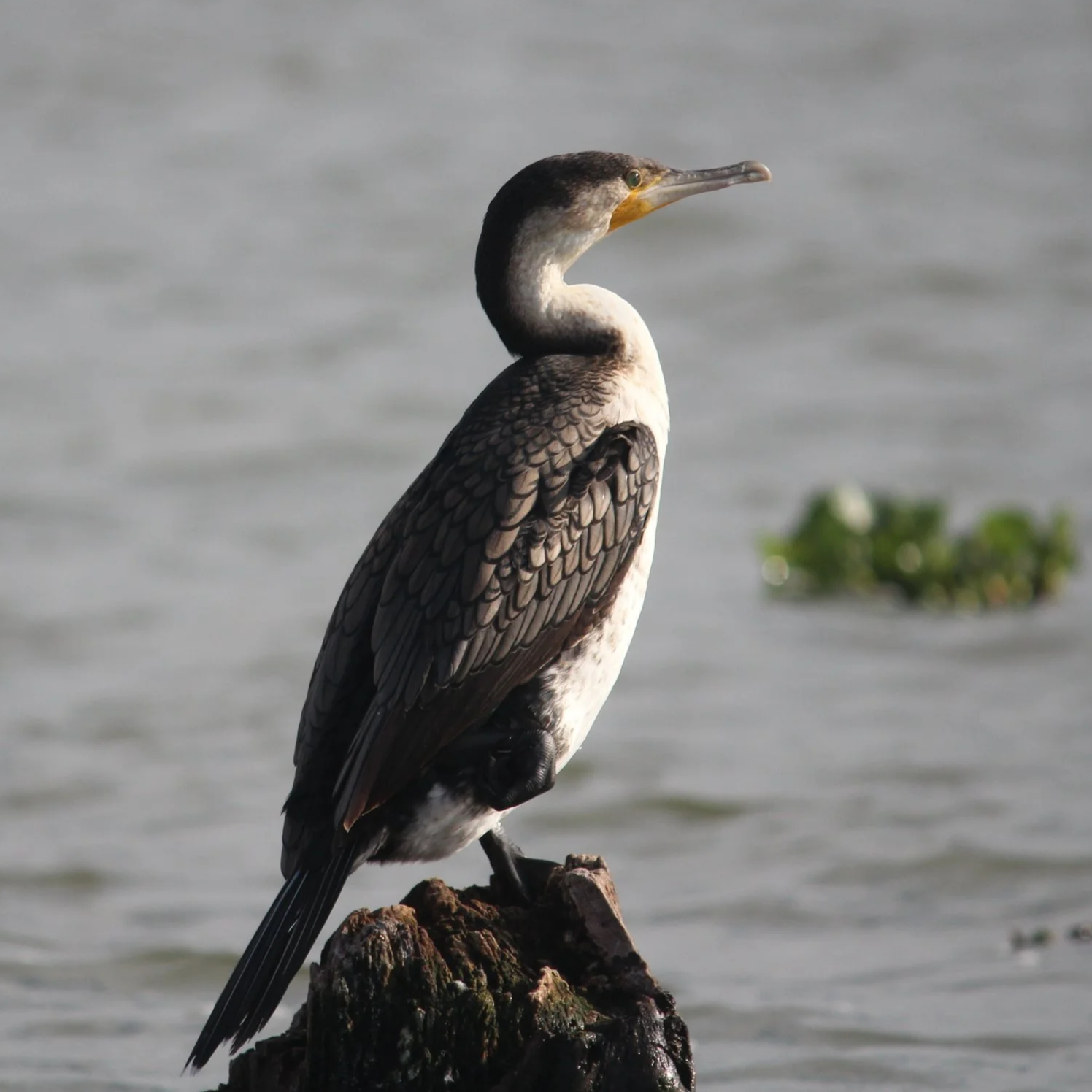
Great Cormorant
Scientific name: Phalacrocorax carbo
Family: Phalacrocoracidae (cormorants)
Group: Waterbirds
Status: Least Concern (LC)The Great Cormorant is the largest of the Australian cormorants, with mostly black plumage and a white chin. It feeds on fish, crustaceans, and frogs, diving underwater to capture prey. Found in both freshwater and coastal habitats, it forms large colonies, where both parents build the nest and care for 3 to 4 eggs. Breeding occurs from August to January.
-
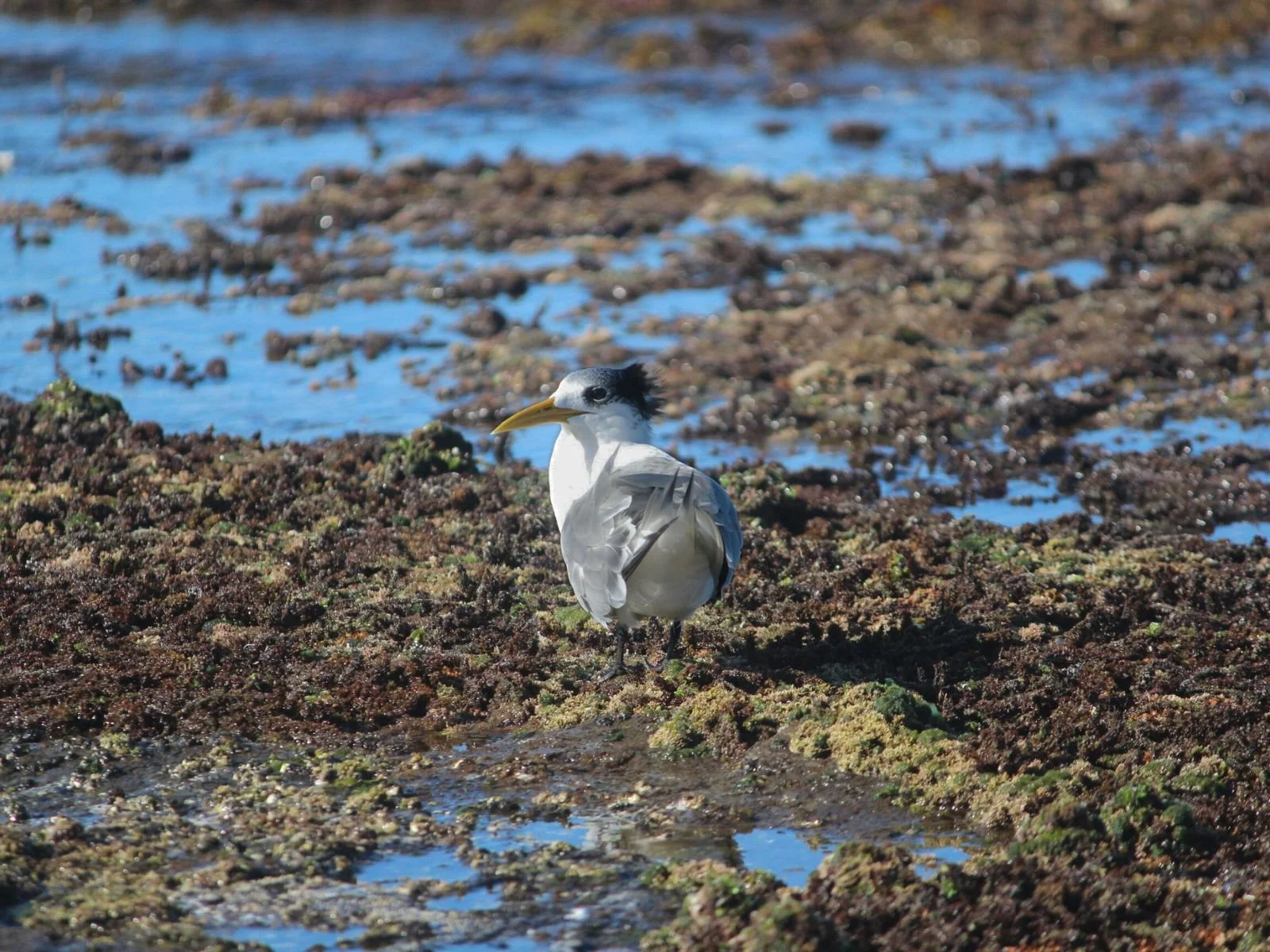
Great Crested Tern
Scientific name: Thalasseus bergii
Family: Laridae (gulls, terns, skimmers)
Group: Seabirds
Status: Least Concern (LC)The Great Crested Tern is found along the coasts of the Pacific and Indian Ocean, including Australia, but usually nests in large colonies on offshore islands. Some populations follow migratory patterns and some remain in the same location, depending on conditions. Their diet mainly consists of fish that it finds offshore or in estuaries by diving up to a meter into the water.
-

Great Egret
Scientific name: Ardea alba
Bird family: Ardeidae (Herons, Egrets, Bitterns)
Group: Waterbirds
Status: Least Concern (LC)The Great Egret is a member of the heron family, known for its white plumage and long neck. During breeding, its bill turns black, and its facial skin becomes green, while long feathers and pinkish-yellow legs appear. It feeds on fish, frogs, and small mammals, using its sharp bill to impale prey. These egrets nest in colonies, with both parents incubating 2-3 eggs.
-
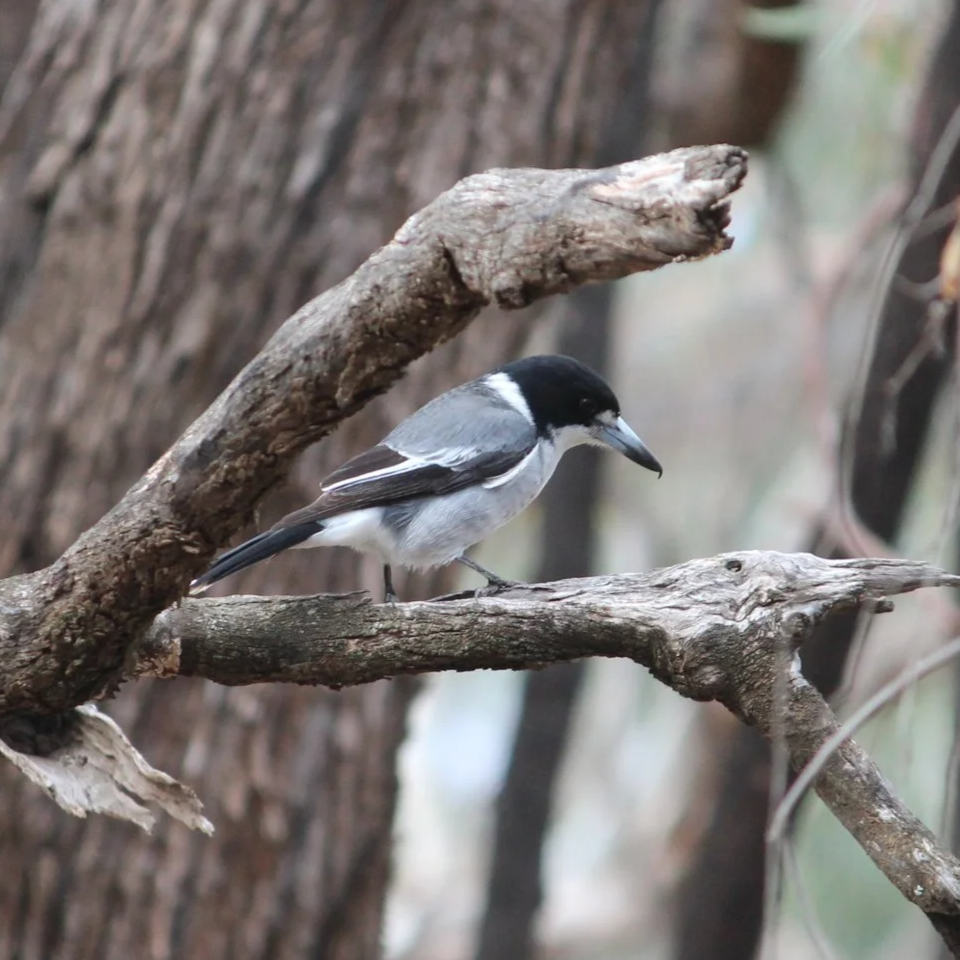
Grey Butcherbird
Scientific name: Cracticus torquatus
Family: Artamidae (Butcherbirds and allies)
Group: Waterbirds
Status: Least Concern (LC)Grey butcherbirds were given their name because they hang or impale their prey on branches and wires, including birds, lizards and insects but also eat fruits and seeds. They inhabit forests throughout most of Australia. They create bowl-shaped nests out of sticks and grasses, and their offspring stay in the same territory for a year to help the parents raise the next brood.
-
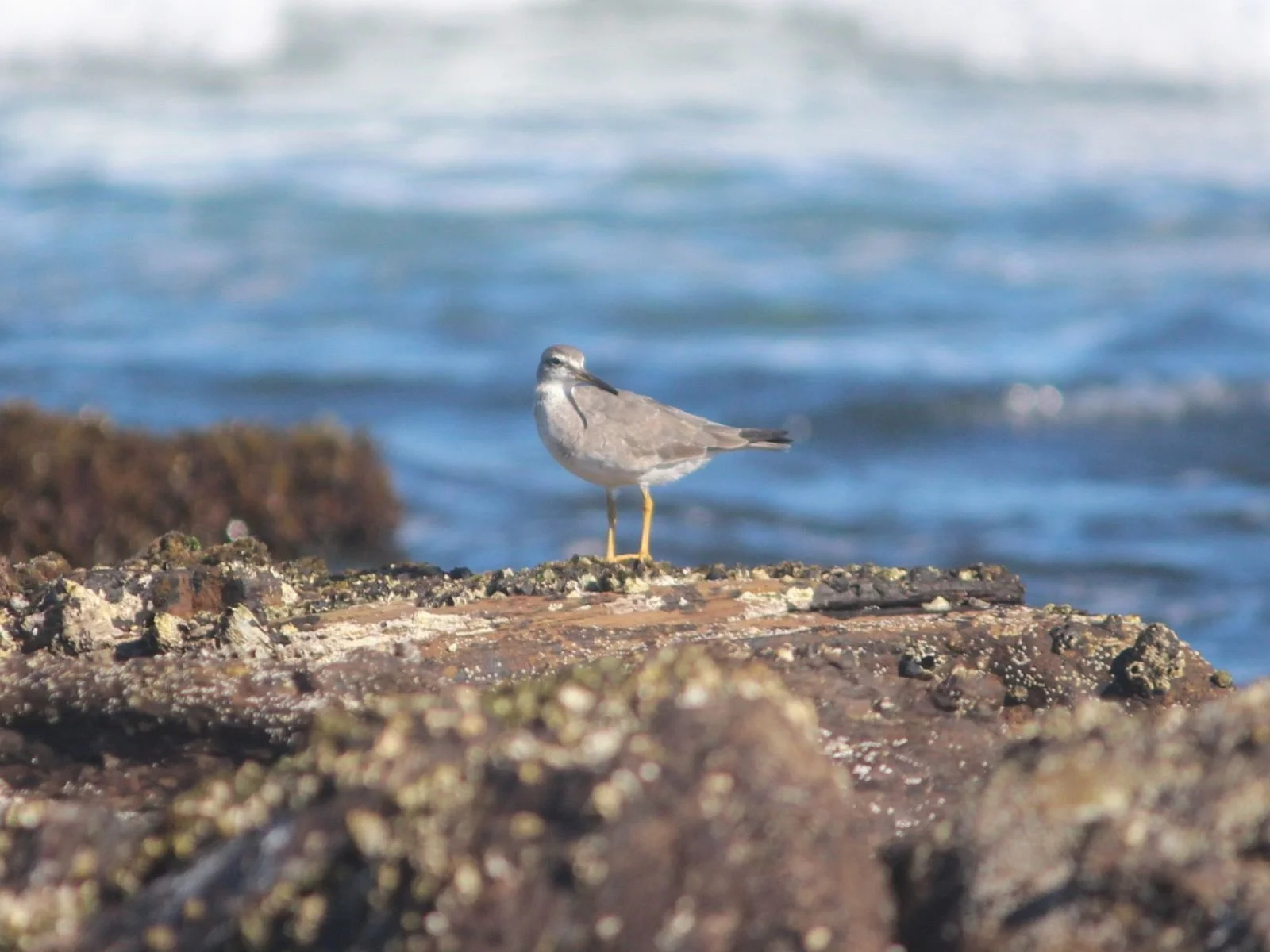
Grey-tailed Tattler
Scientific name: Tringa brevipes
Bird family: Scolopacidae (Sandpipers and allies)
Group: Shorebirds and waders
Status: Least Concern (LC)The Grey-tailed Tattler is found on the coast throughout Southeast Asia, Australia and New Zealand during the non-breeding season. They forage on intertidal mudflats like Long Reef where it catches crustaceans, molluscs, crabs and fish. They then migrate to breed in the mountains and tundra of Siberia, where they nest on stony riverbeds and usually lay four eggs.
-
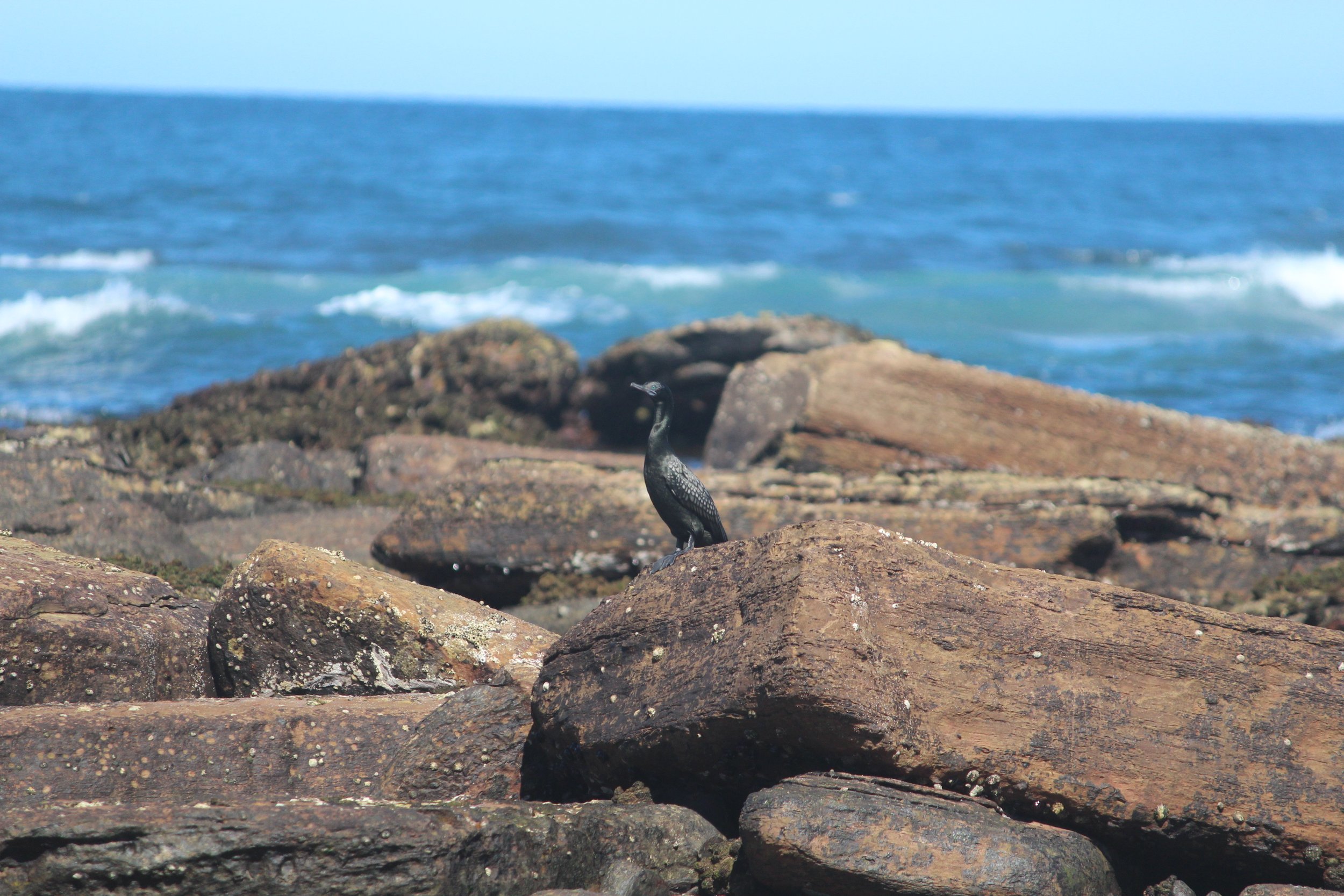
Little Black Cormorant
Scientific name: Phalacrocorax sulcirostris
Family: Phalacrocoracidae (cormorants)
Group: Waterbirds
Status: Least Concern (LC)The Little Black Cormorant is commonly seen drying its non-waterproof wings after duck diving to catch fish and crustaceans. They are found in coastal and freshwater environments throughout Australia, New Zealand and South-east Asia. Along with other species of cormorants and darters, they form large breeding colonies and can form flocks to fish cooperatively.
-
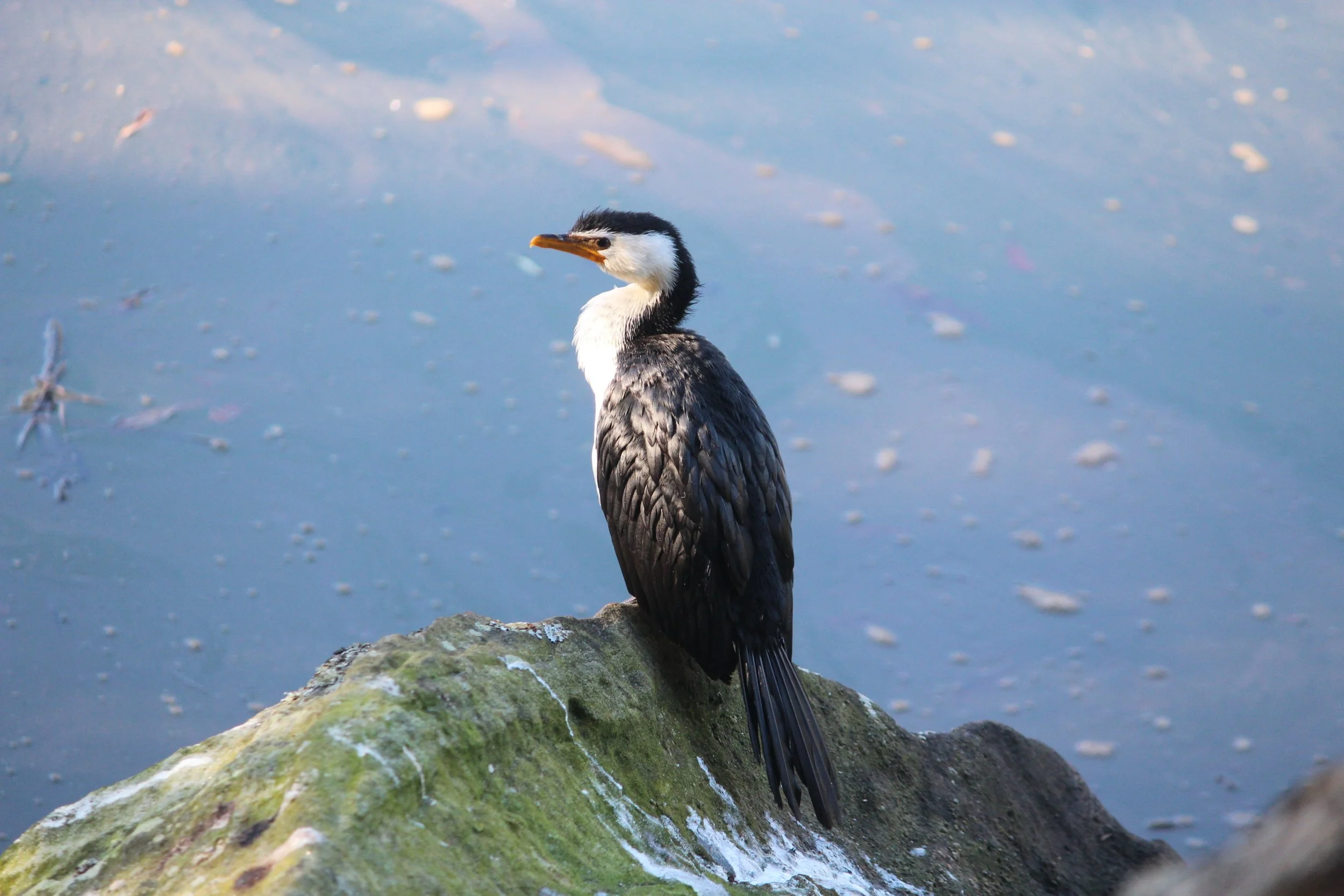
Little Pied Cormorant
Scientific name: Phalacrocorax varius
Family: Phalacrocoracidae (cormorants)
Group: Waterbirds
Status: Least Concern (LC)The Little Pied Cormorant can be told apart from the similar Pied cormorant by its shorter yellow bill. They live along fresh and salt water bodies throughout Australia, often forming small to large flocks including other waterbird species. They feed on aquatic animals including fish, insects and crayfish by diving deep underwater and usually make nests in trees in large colonies.
-
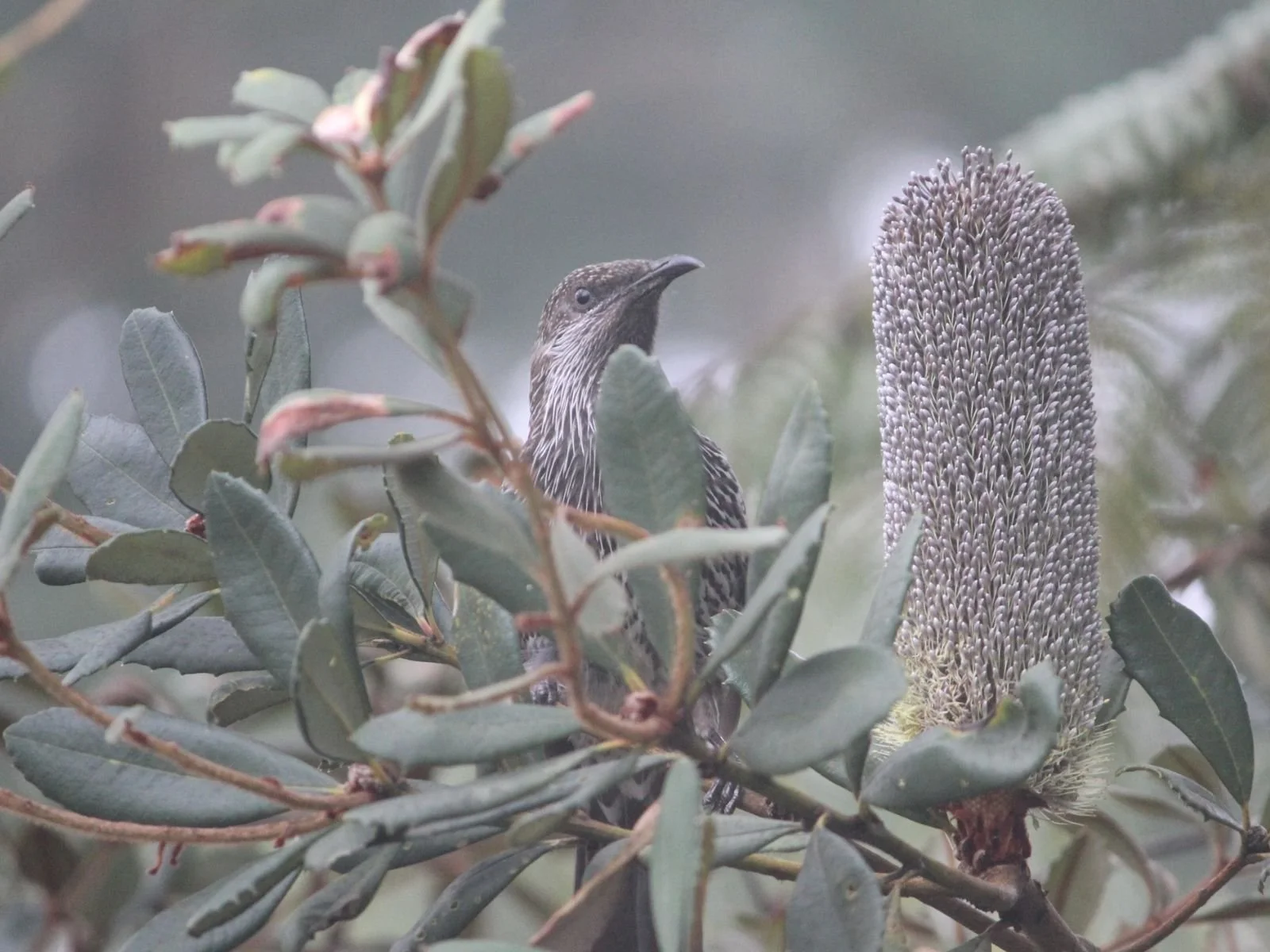
Little Wattlebird
Scientific name: Anthochaera chrysoptera
Family: Meliphagidae (honeyeaters)
Group: Bush/Garden/Common birds
Status: Least Concern (LC)The little wattlebird is one of the most common birds that can be seen during the walk up to the Long Reef headland. They can be found in dry scrubby forests and gardens in all of southern and eastern Australia. They love wattle trees and banksia heaths as they feed on nectar acquired using their long brush-tipped tongue, but also eat berries, insects and some seeds.
-
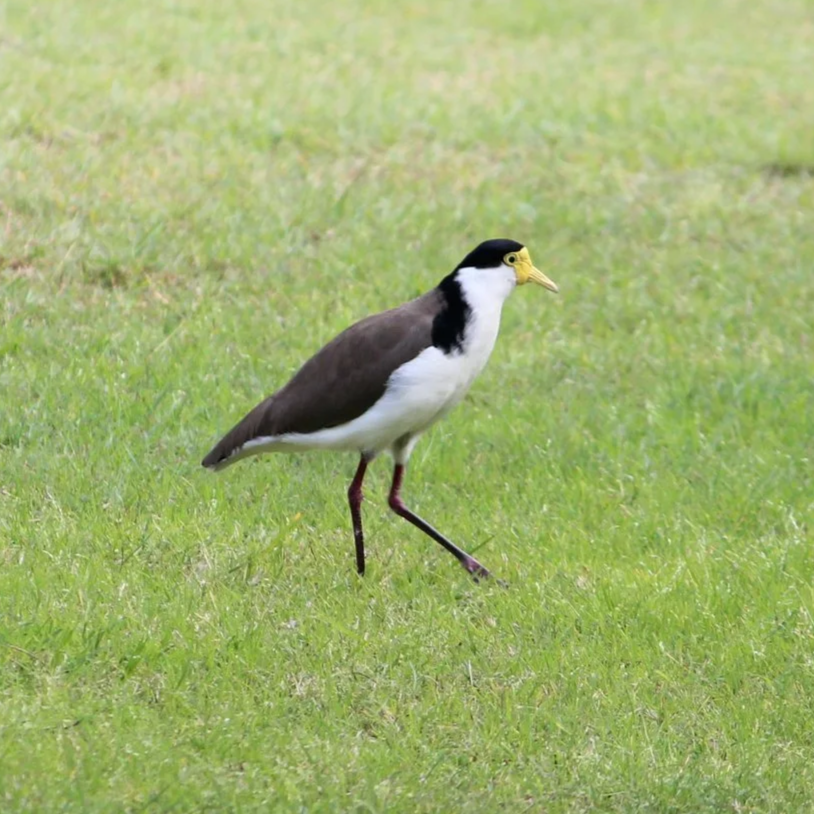
Masked Lapwing
Scientific name: Vanellus miles
Family: Charadriidae (plovers and lapwings)
Group: Shorebirds and waders
Status: Least Concern (LC)The Masked Lapwing or plover is a very common bird known for its aggression during the breeding season. They are found in marshes, mudflats, grasslands and open urban areas in Indonesia, New Zealand and North, Central and East Australia. They lay 3-5 eggs in nests that are shallow scrapes on the ground, and their diet consists of insects, worms and snails.
-
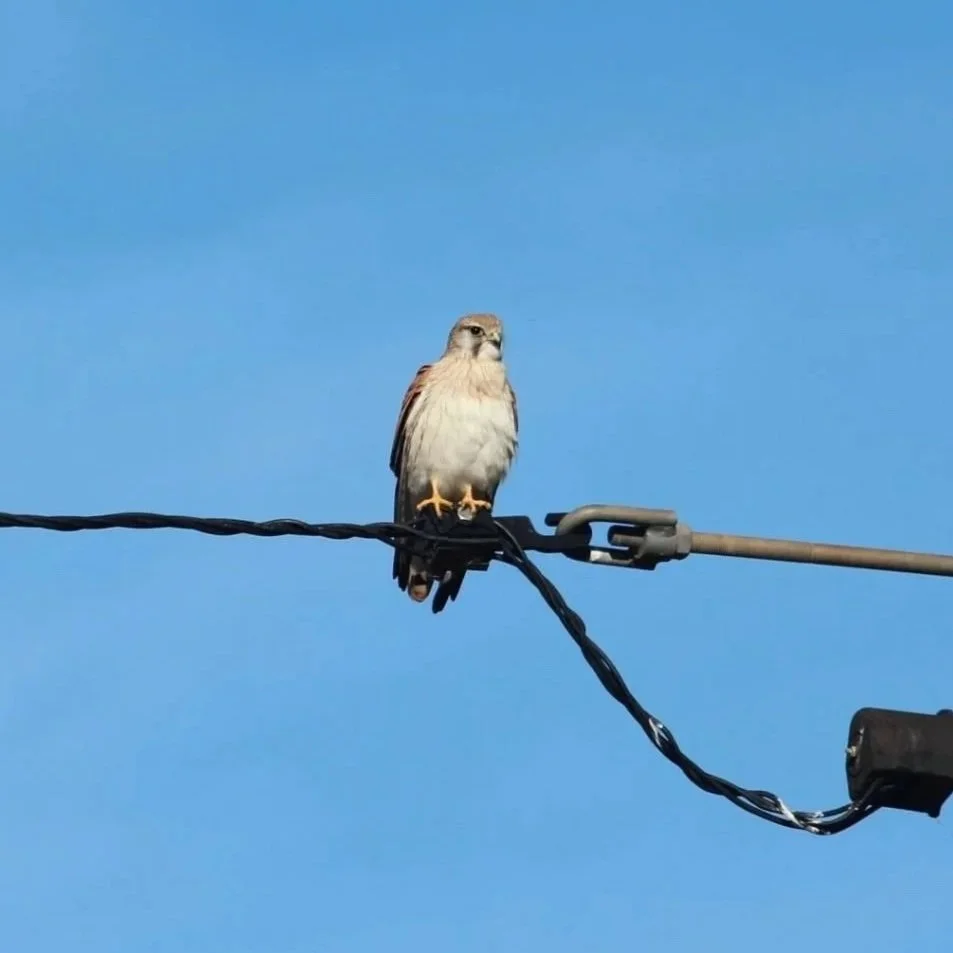
Nankeen Kestrel
Scientific name: Falco cenchroides
Bird family: Falconidae (falcons)
Group: Birds of prey
Status: Least Concern (LC)A Nankeen Kestrel family nests near Collaroy Rock Pool on Long Reef, hunting from light poles in the mid-90s. The mother feeds her young with meat on the fence. Kestrels use cliff ledges for nesting, often hovering five meters above the ground. Their territory spans headland cliffs, golf course grasslands, and the surrounding Collaroy Rock Pool area, thriving amidst coastal landscapes.
-
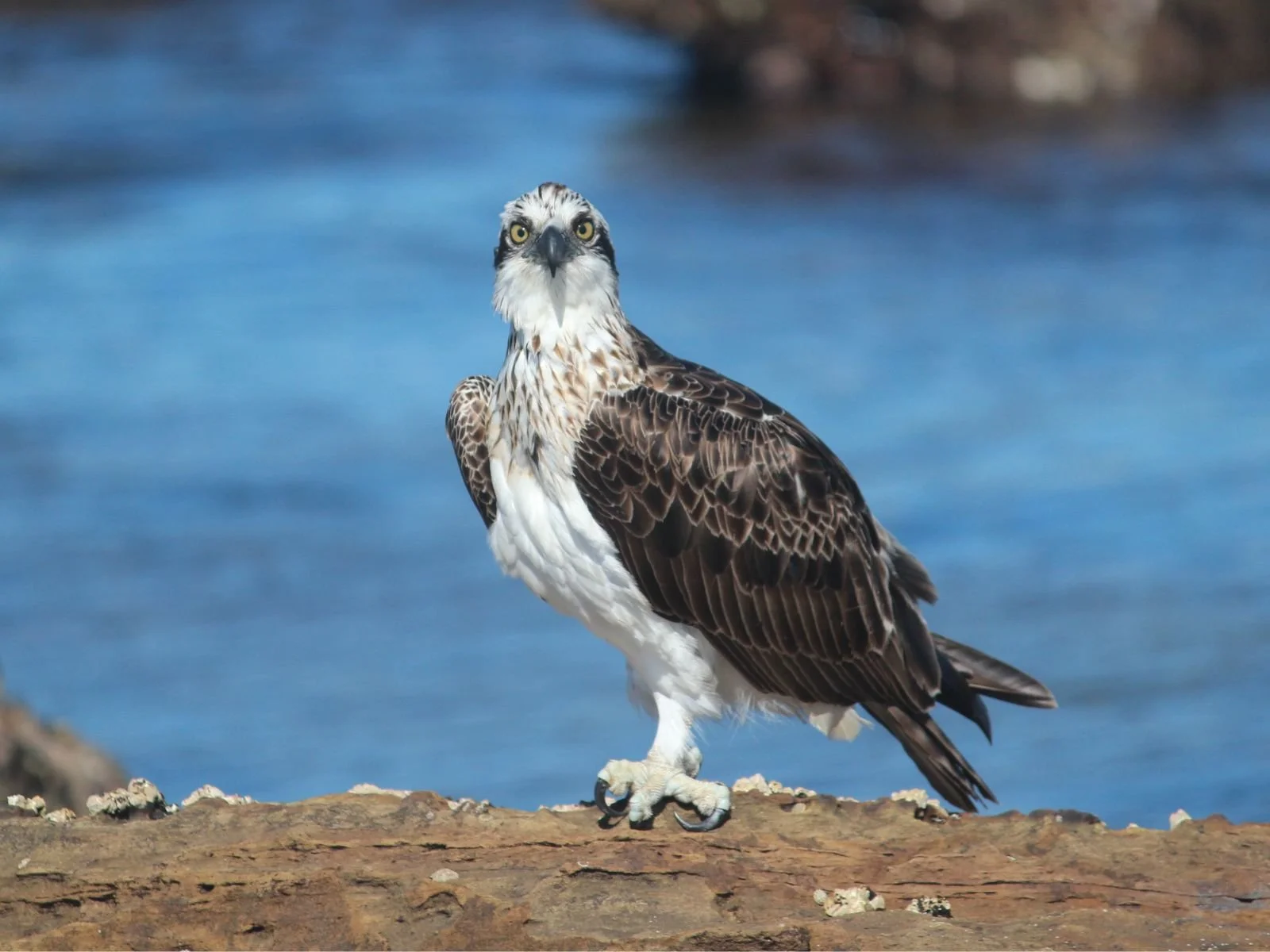
Osprey
Scientific name: Pandion haliaetus
Family: Pandionidae (Ospreys)
Group: Birds of Prey
Status: Least Concern (LC)The Osprey is commonly seen on the Long Reef rock platform, hovering above the headland, or sitting in trees. It lives all over the world near lakes, rivers and the ocean where it plunges feet first to catch fish. Their courtship ceremony involves a pair circling each other mid air, and then build nests high up in trees where they lay 2-4 cream eggs blotched with brown.
-
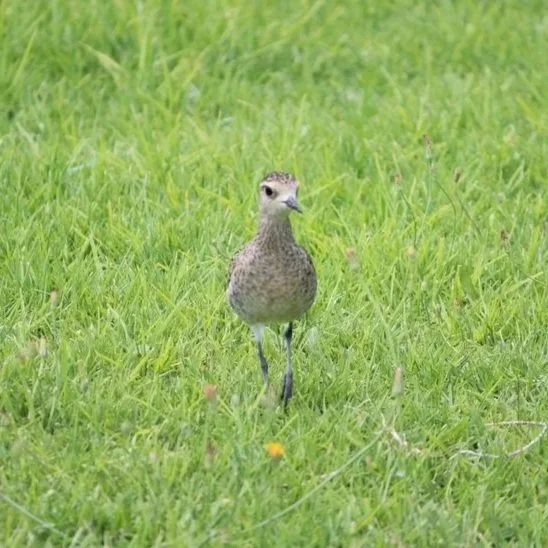
Pacific golden plover
Scientific name: Pluvialis fulva
Family: Charadriidae (plovers)
Group: Shorebirds
Status: Least Concern (LC)The Pacific golden plover can be frequently spotted on Long Reef rock platform between Sept-April as well as other habitats including urban grasslands and agricultural fields around the world. Over winter they breed in the tundras between Western Alaska and Russia’s Yamal Peninsula before migrating back with nonstop transoceanic flights to areas including Australia, Southeast Asia, India and northeast Africa.
-
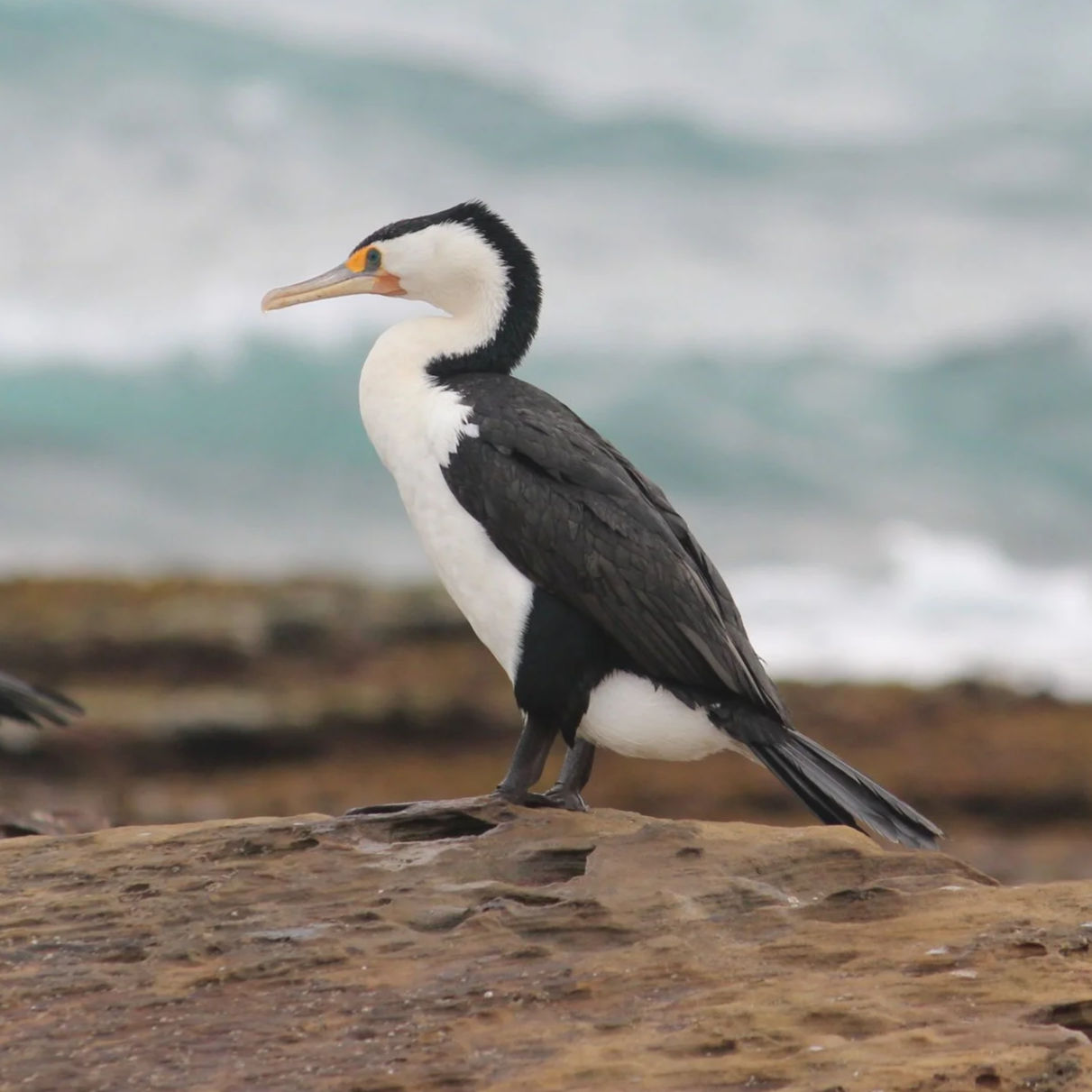
Pied Cormorant
Scientific name: Phalacrocorax varius
Family: Phalacrocoracidae (cormorants)
Group: Waterbirds
Status: Least Concern (LC)Pied Cormorants are very similar to Little Pied Cormorants but they have a pale beak and are slightly larger. They fly low over water in flocks, diving for fish, prawns, and shrimp. They nest in crowded colonies, crafting stick nests lined with green leaves on bushes, mangroves, or the ground, laying three to five pale bluish-white eggs in spring and summer, occasionally extending into autumn.
-
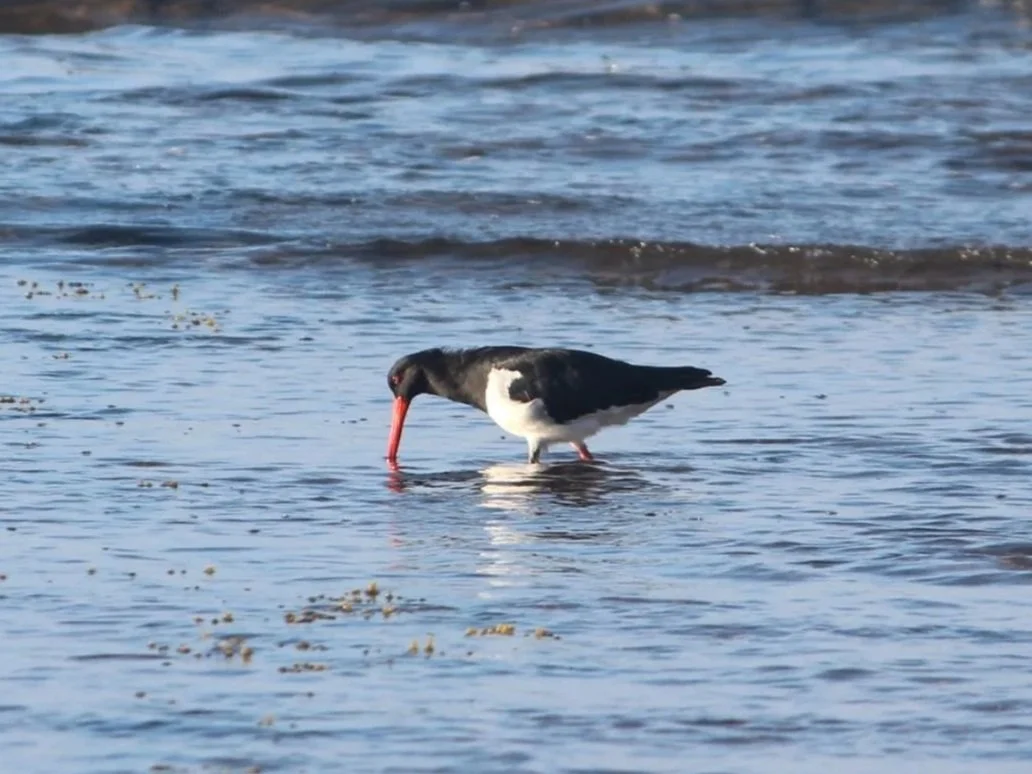
Pied Oystercatcher
Scientific name: Haematopus longirostris
Family: Oystercatchers
Group: Shorebirds and waders
Status: Least Concern (LC)The Pied Oystercatcher, seen alone, in pairs, or small groups, gathers at high tide on Long Reef Point and feeds on bivalve molluscs at low tide, using its strong red bill. Its diet includes bivalves, crustaceans, and marine animals. Nests are shallow depressions in seaweed or broken coral above high water, holding two or three stone-coloured eggs streaked blackish brown.
-
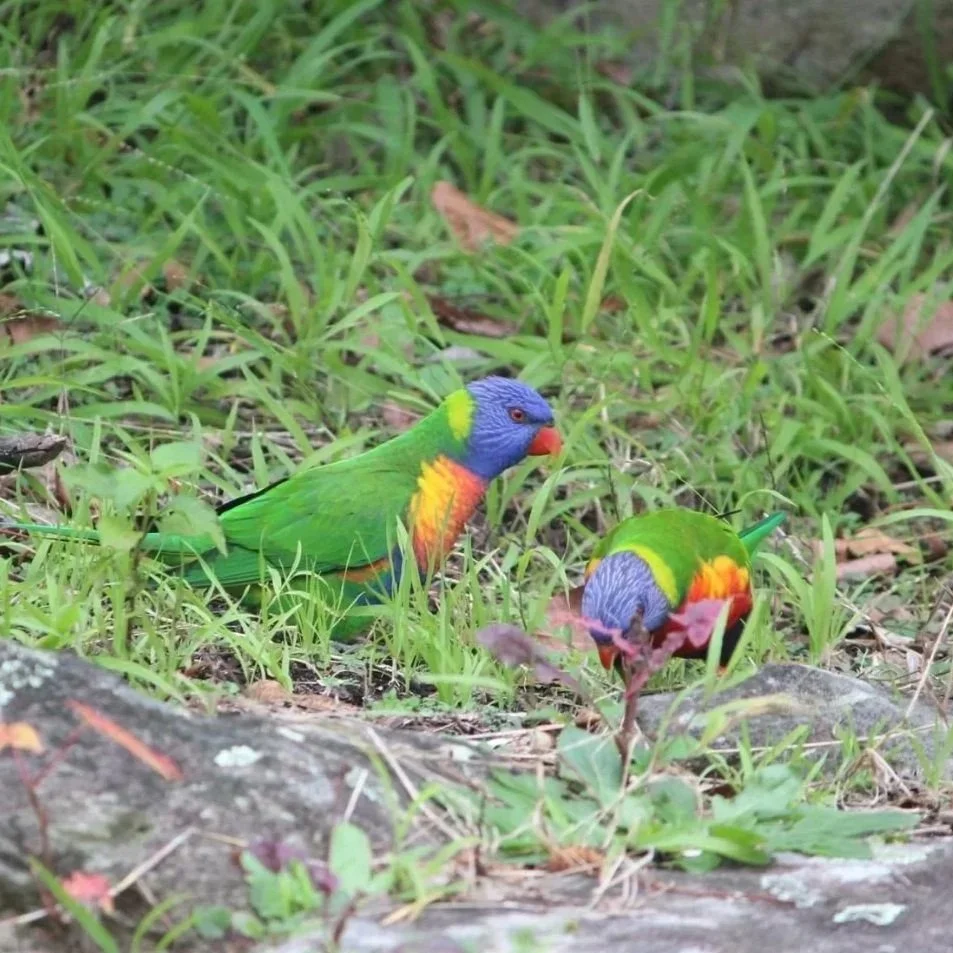
Rainbow Lorikeet
Scientific name: Trichoglossus moluccanus
Family: Psittaculidae (parrots)
Group: Bush/Garden/Common birds
Status: Least Concern (LC)The rainbow lorikeet is a beautifully coloured bird abundant throughout coastal regions in Northern and Eastern Australia, including Long Reef. They can be found in a range of habitats including rainforests, woodlands and urban areas where they eat nectar, pollen, fruit, seeds and insects. They usually lay 2 eggs on decayed wood in the hollow limb of eucalyptus trees from June to Jan.
-
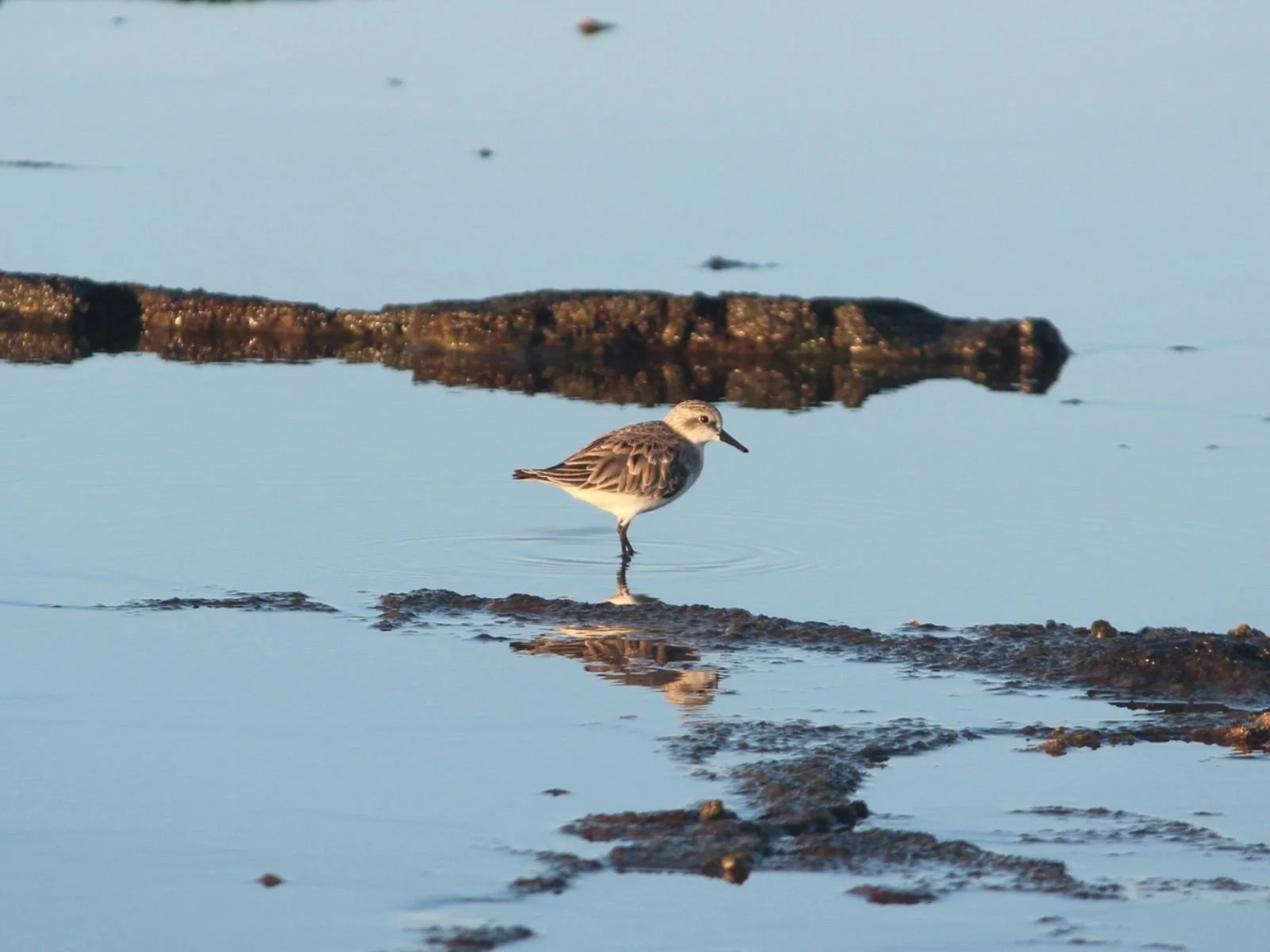
Red-necked Stint
Scientific name: Calidris ruficollis
Family: Scolopacidae (sandpipers and allies)
Group: Shorebirds and waders
Status: Near Threatened (NT)The Red-necked Stint is a very small and skittish bird that is often found in large mixed-species flocks. They are found along the Australian coast during the summer before migrating to Siberia and Alaska for breeding. They are frequently seen foraging in the intertidal zone at Long Reef for crustaceans and molluscs, and can be found in coastal wetlands eating insects and plants.
-
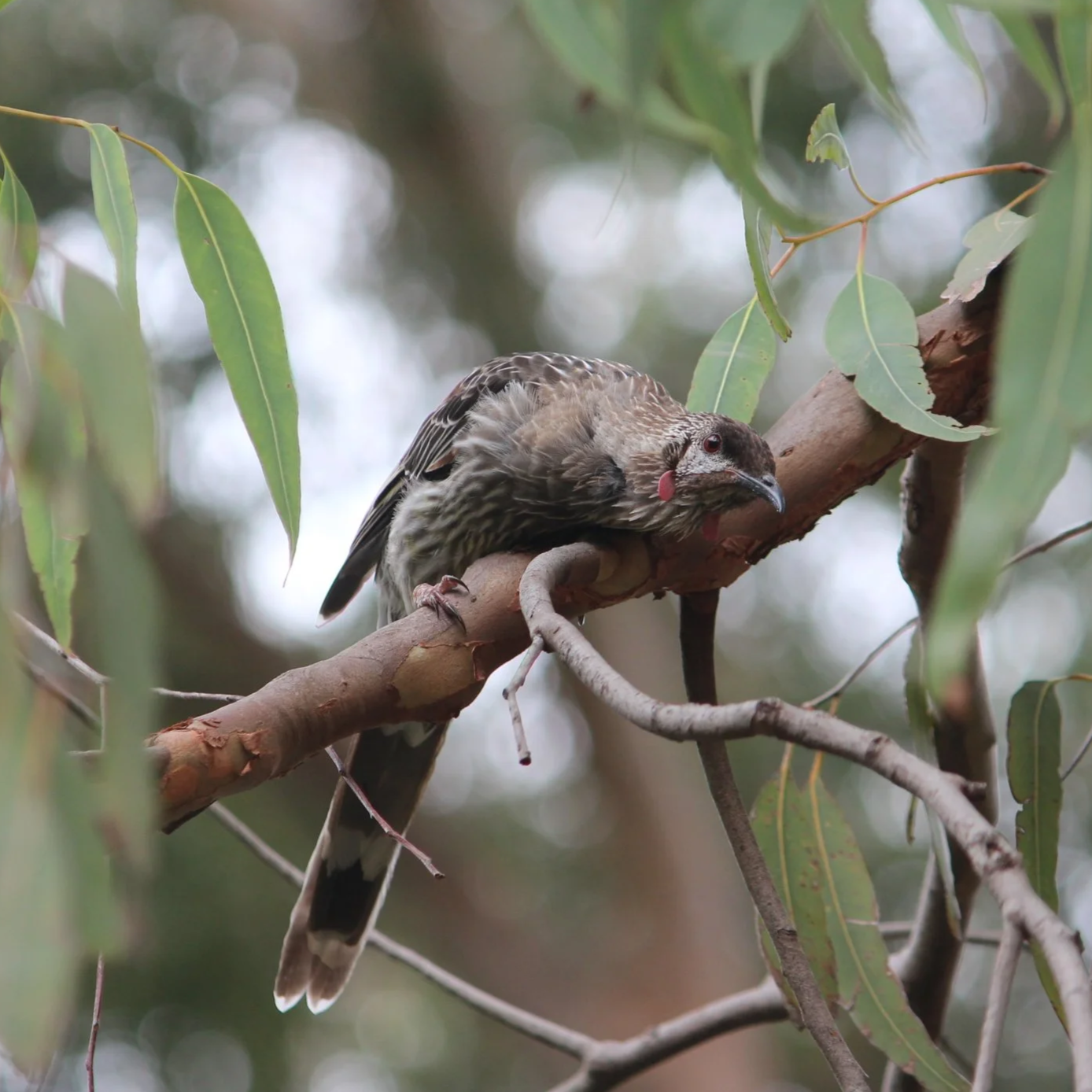
Red Wattlebird
Scientific name: Anthochaera carunculata
Family: Meliphagidae (honeyeaters)
Group: Bush/Garden/Common birds
Status: Least Concern (LC)The red wattlebird is similar to the little wattlebird and also seen at Long Reef frequently. It prefers forests, woodlands and gardens in southern and eastern Australia, and can aggressively defend its food plants in these areas. They eat nectar using their long brush-tipped tongue, certain insects and berries. They breed July through December and can raise 1-2 broods per season.
-
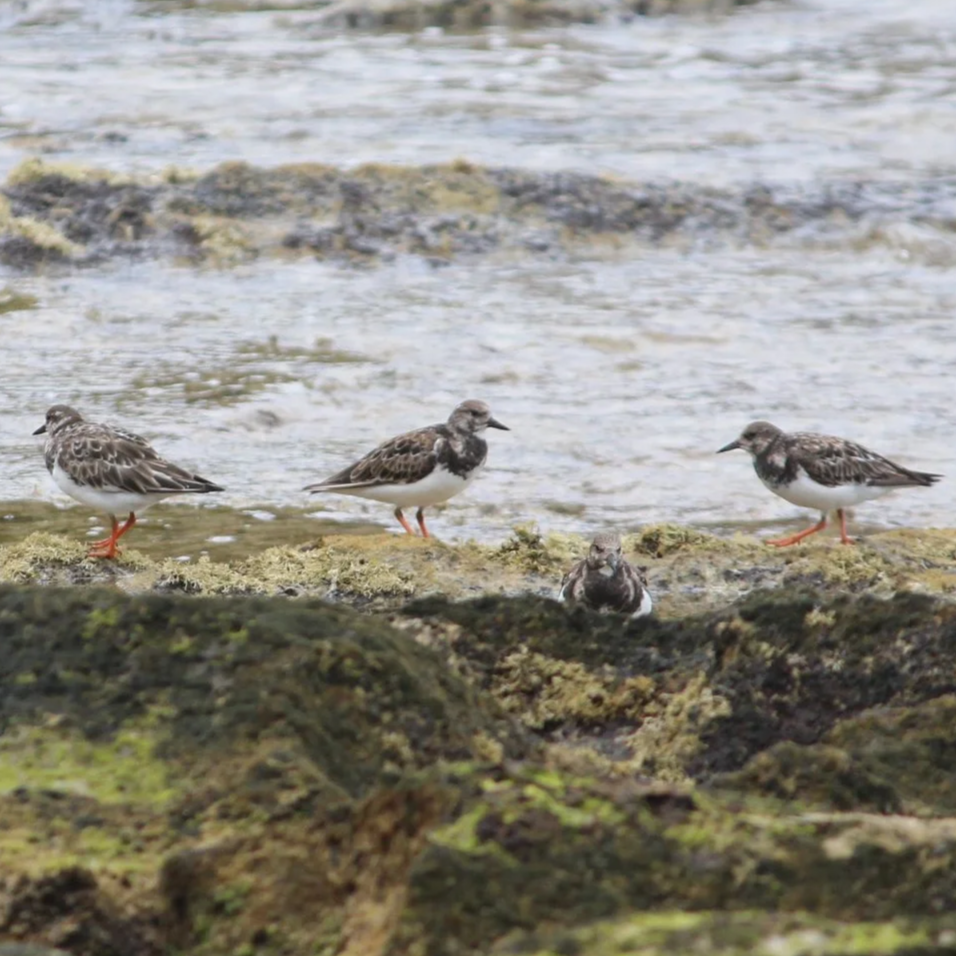
Ruddy Turnstone
Scientific name: Arenaria interpres
Family: Scolopacidae (sandpipers and allies)
Group: Shorebirds and waders
Status: Near Threatened (NT)The Ruddy turnstone gets its name from turning over stones and seaweed to find crustaceans and molluscs, but it can also eat carrion, eggs, insects and spiders. They are migratory birds that breed in the far northern hemisphere during the winter, and can otherwise be seen in small mixed species groups on beaches and mudflats all around the world including Long Reef.
-
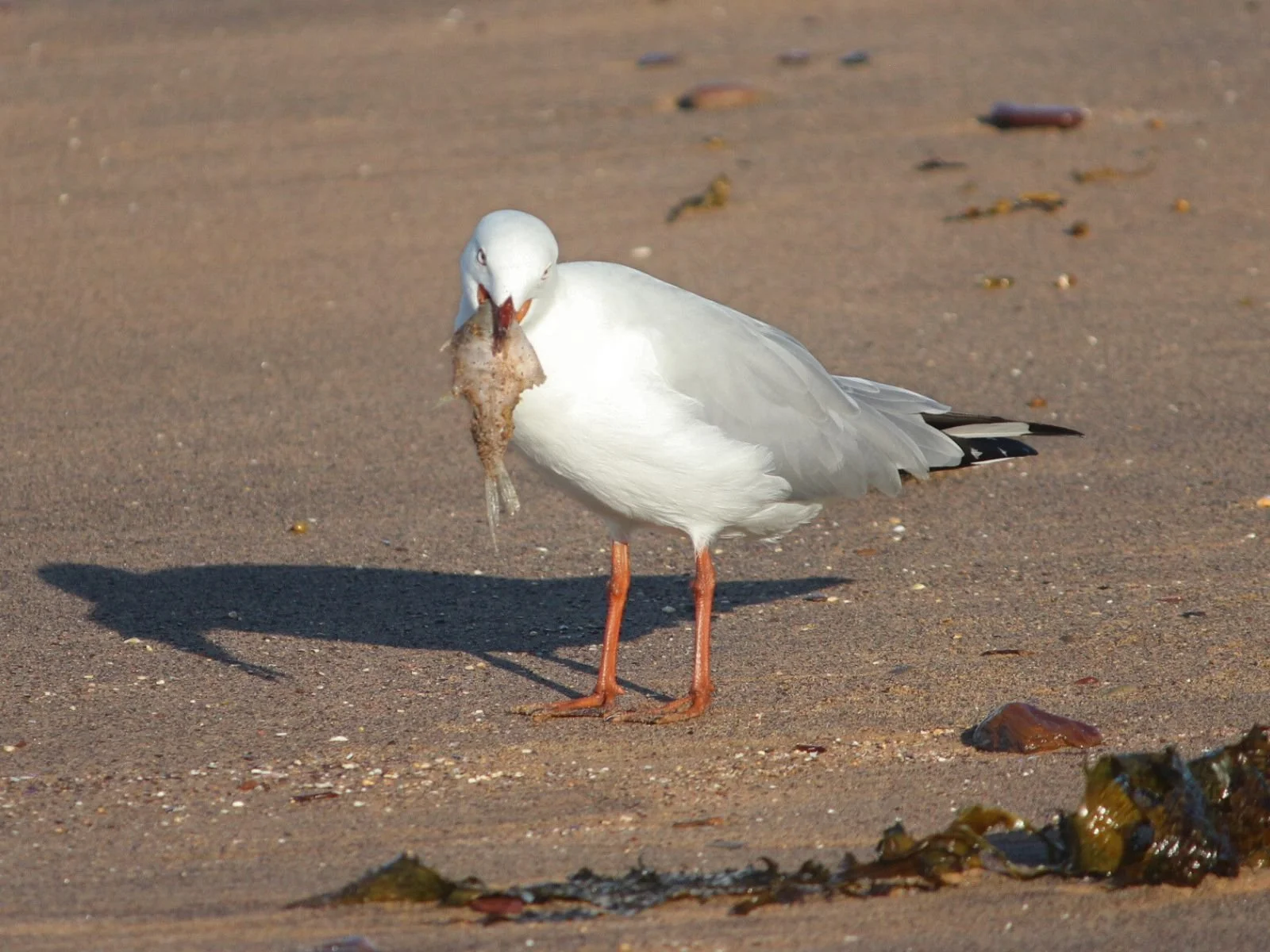
Silver Gull
Scientific name: Chroicocephalus novaehollandiae
Family: Laridae (gulls, terns, skimmers)
Group: Seabirds
Status: Least Concern (LC)The Silver Gull or ‘Seagull’ is known for stealing food and pestering humans for scraps, however its natural diet includes fish, insects, eggs, seeds, worms, and crustaceans. They are abundant throughout the coastal regions of New Zealand and Australia, including beaches and cities, but nests in large colonies on offshore islands.
-
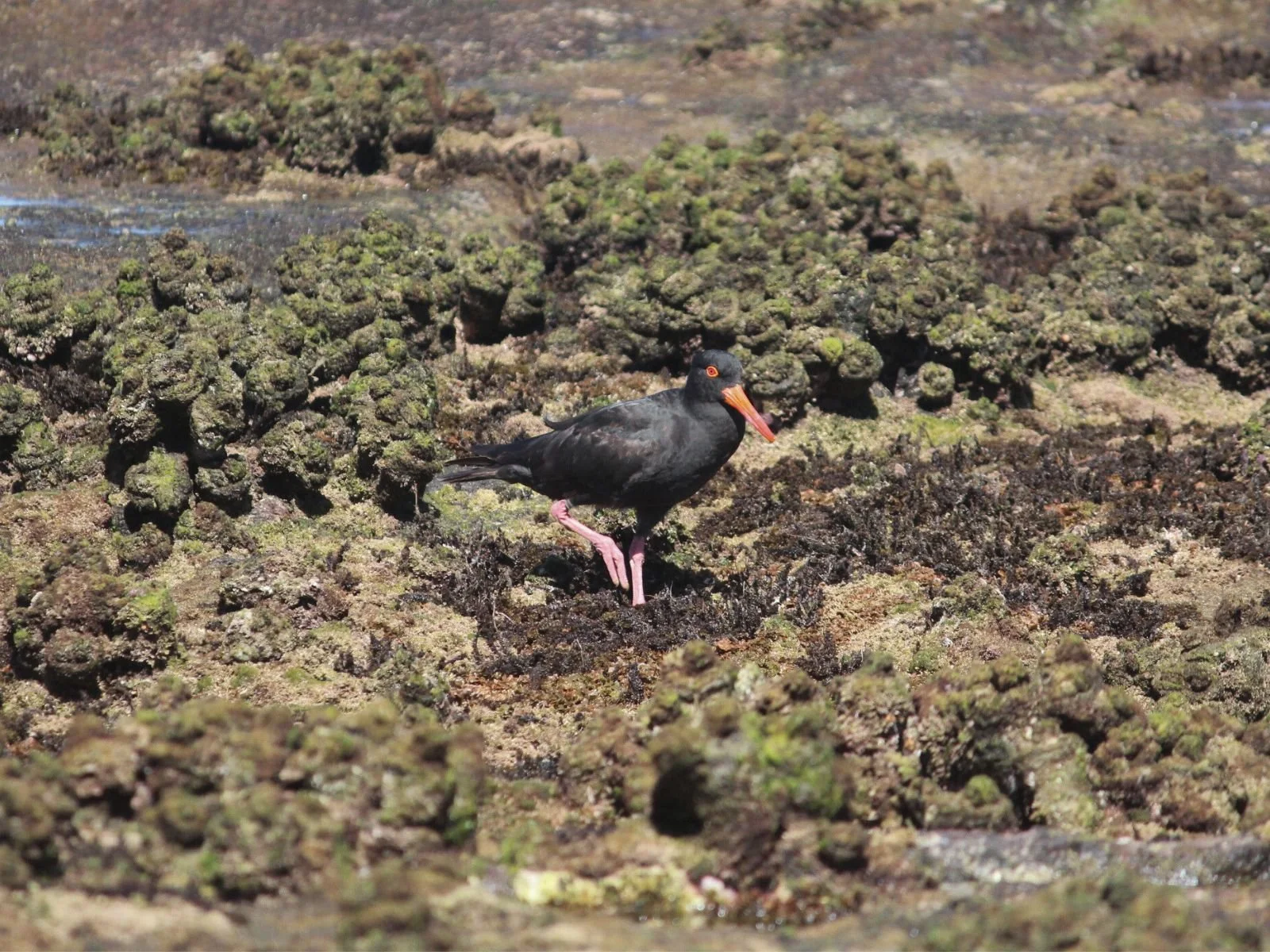
Sooty Oystercatcher
Scientific name: Haematopus fuliginosus
Family: Oystercatchers
Group: Shorebirds and waders
Status: Least Concern (LC)The Sooty Oystercatcher can be found in small mixed-species groups at Long Reef and other mudflats along the Australian Coast. Their rapidly growing beaks can change shape within three weeks depending on their diet, which consists of bivalve mollusks, crustaceans and other small marine animals. They nest in shallow depressions among pebbles or shells on rocky cliffs.
-
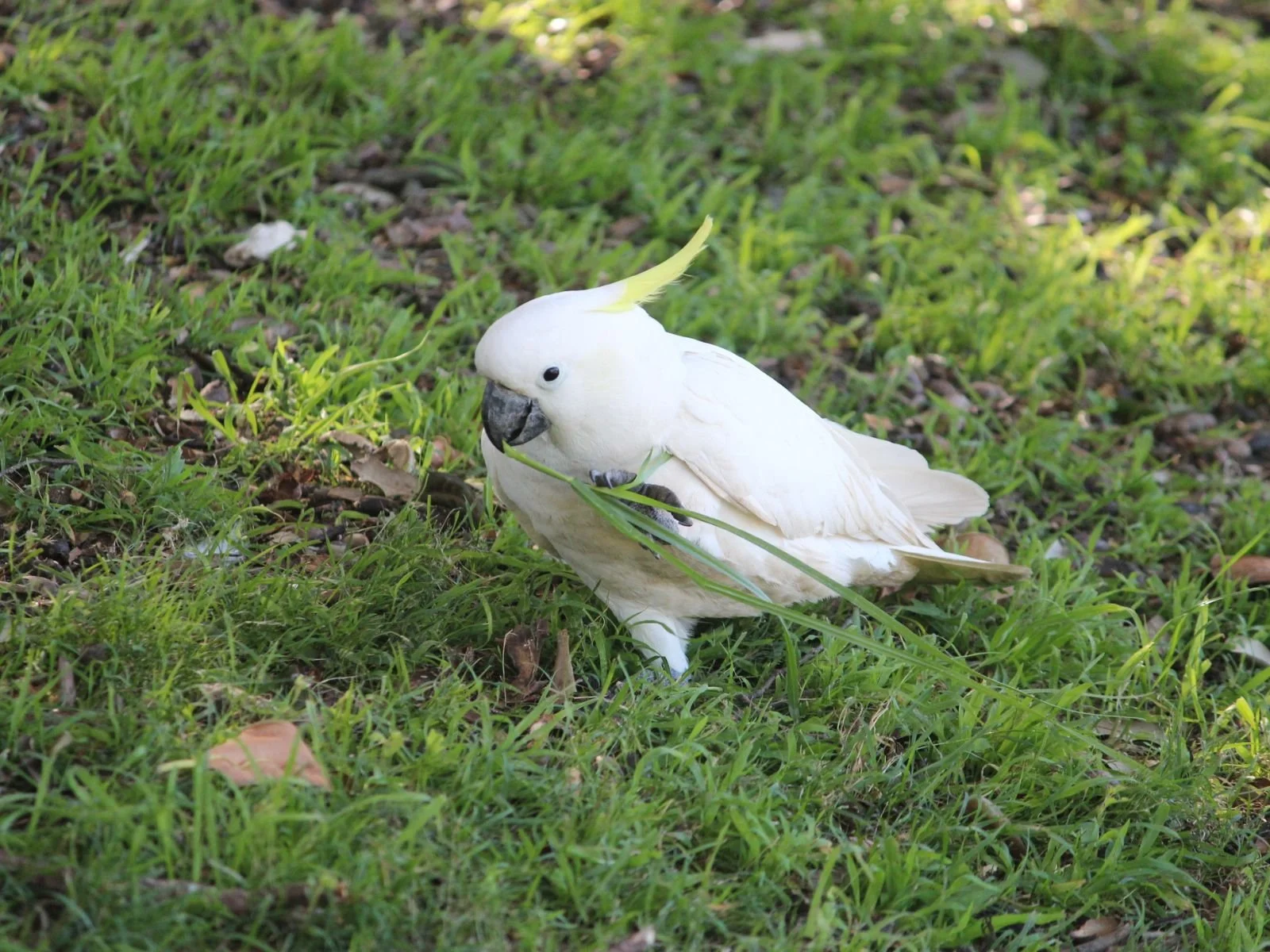
Sulfur-crested Cockatoo
Scientific name: Cacatua galerita
Family: Cacatuidae (cockatoos)
Group: Bush/Garden/Common birds
Status: Least Concern (LC)Sulfur-crested Cockatoos are frequently spotted on the Long Reef headland in large flocks, often exceeding a hundred individuals. They can be found in Papua New Guinea, and north, east, south east and south west in Australia. They are monogamous and lay two to three eggs in tree hollows. Their diet typically consists of seeds, berries, nuts, insects and human food.
-
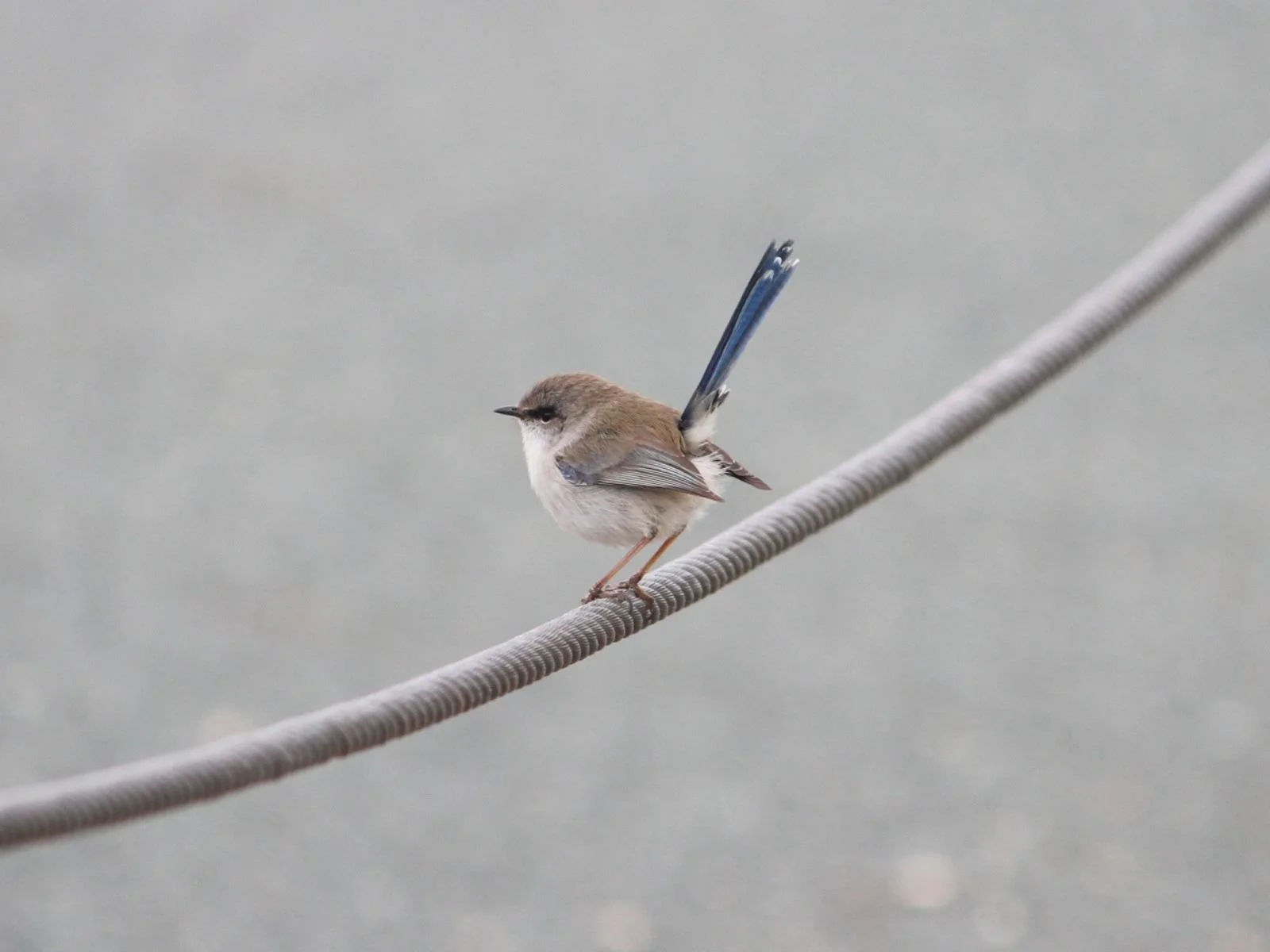
Superb Fairy-wren
Scientific name: Malurus cyaneus
Family: Maluridae (Fairywrens and Allies)
Group: Small insect eating birds
Status: Least Concern (LC)Superb Fairy Wrens thrive in the shrubs on the Eastern grass slope at Long Reef. The females are frequently seen but the blue males are often elusive. They are often in family groups with a dominant male, females, and juveniles. They feed on insects and roost in dense foliage at night. Breeding from August to January involves cooperative efforts among family members.
-
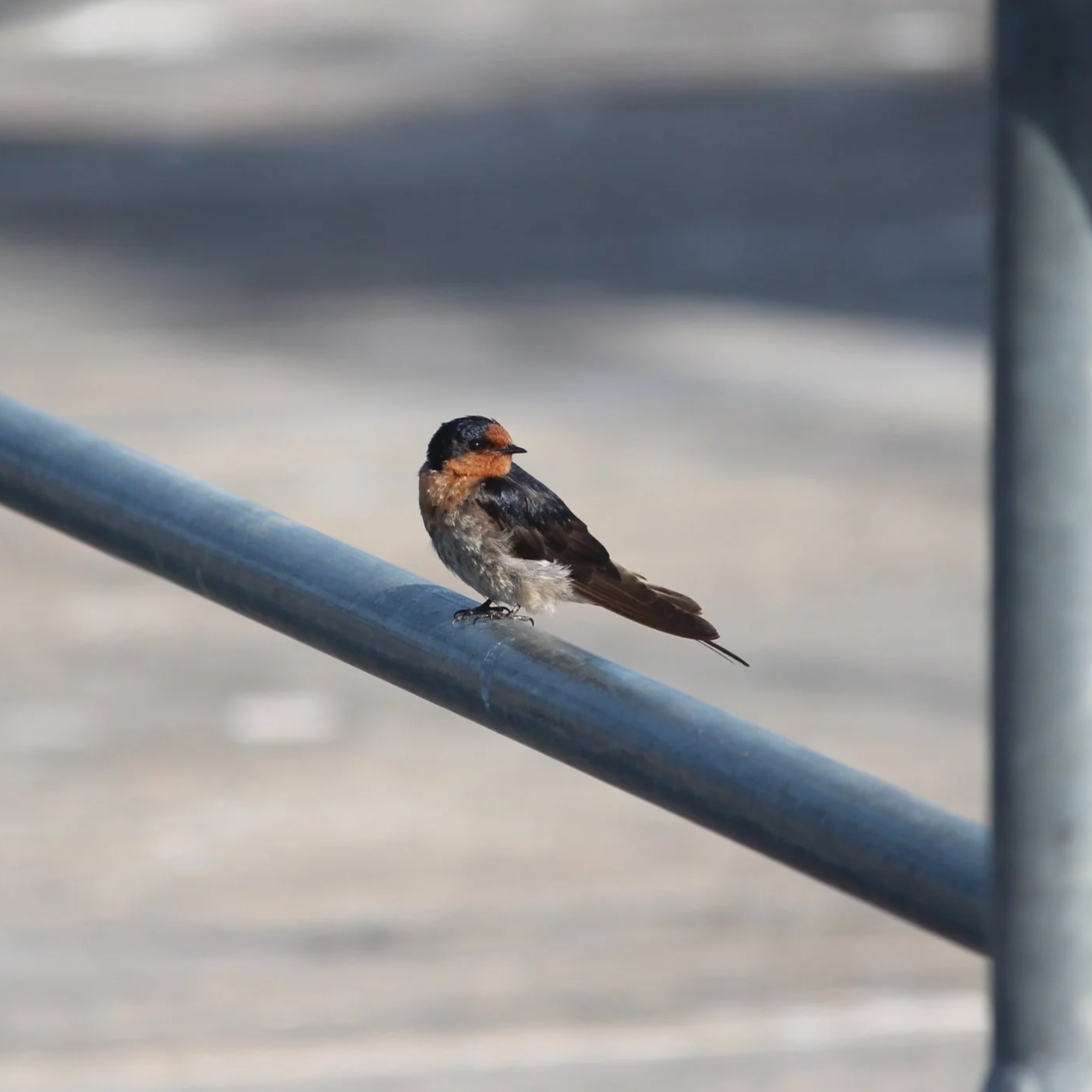
Welcome Swallow
Scientific name: Hirundo neoxena
Family: Hirundinidae (swallows and martins)
Group: Small insect-eating birds
Status: Least Concern (LC)The Welcome Swallow is a small and agile bird common across Australia, that can be seen catching flying insects on the Eastern slopes of Long Reef in the morning. They build cup-like nests out of mud and grass, usually on building walls, where it lays 3-5 pink eggs with brown speckles. They were named ‘welcome’ by sailors as they were the first sign that land was close.
-
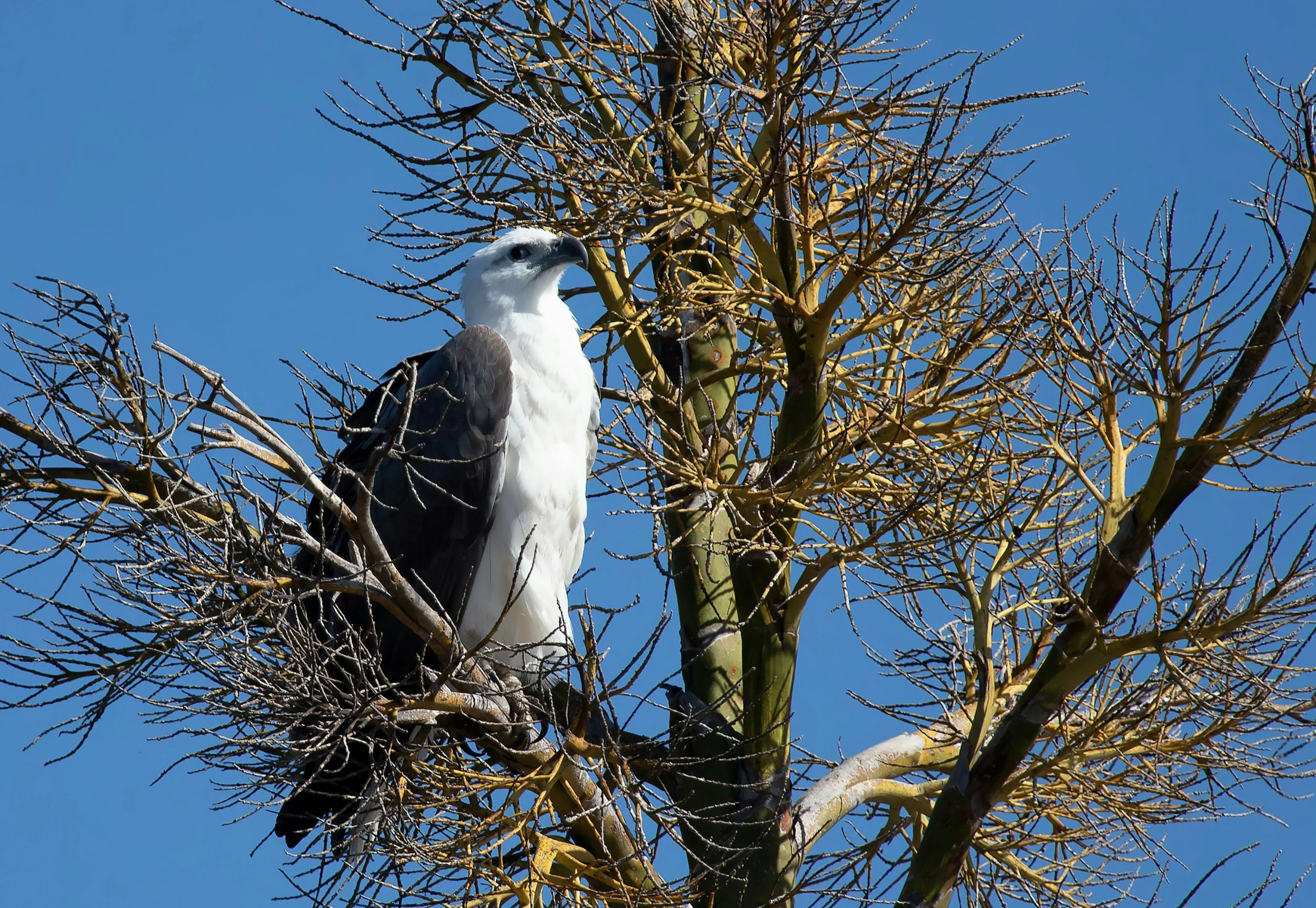
White-bellied Sea-Eagle
Scientific name: Haliaeetus leucogaster
Family: Accipitridae (Hawks, Eagles, and Kites)
Group: Birds of prey
Status: Least Concern (LC)The Sea Eagle, often seen singly or in pairs, is common over Long Reef. It has a slow, buoyant flight, seeking live fish below. Their diet includes fish, crabs, sea snakes, and marine animals. Nesting in large nests of mangrove sticks atop trees, they lay two bluish-white eggs streaked with chocolate brown, typically from August to October.
-
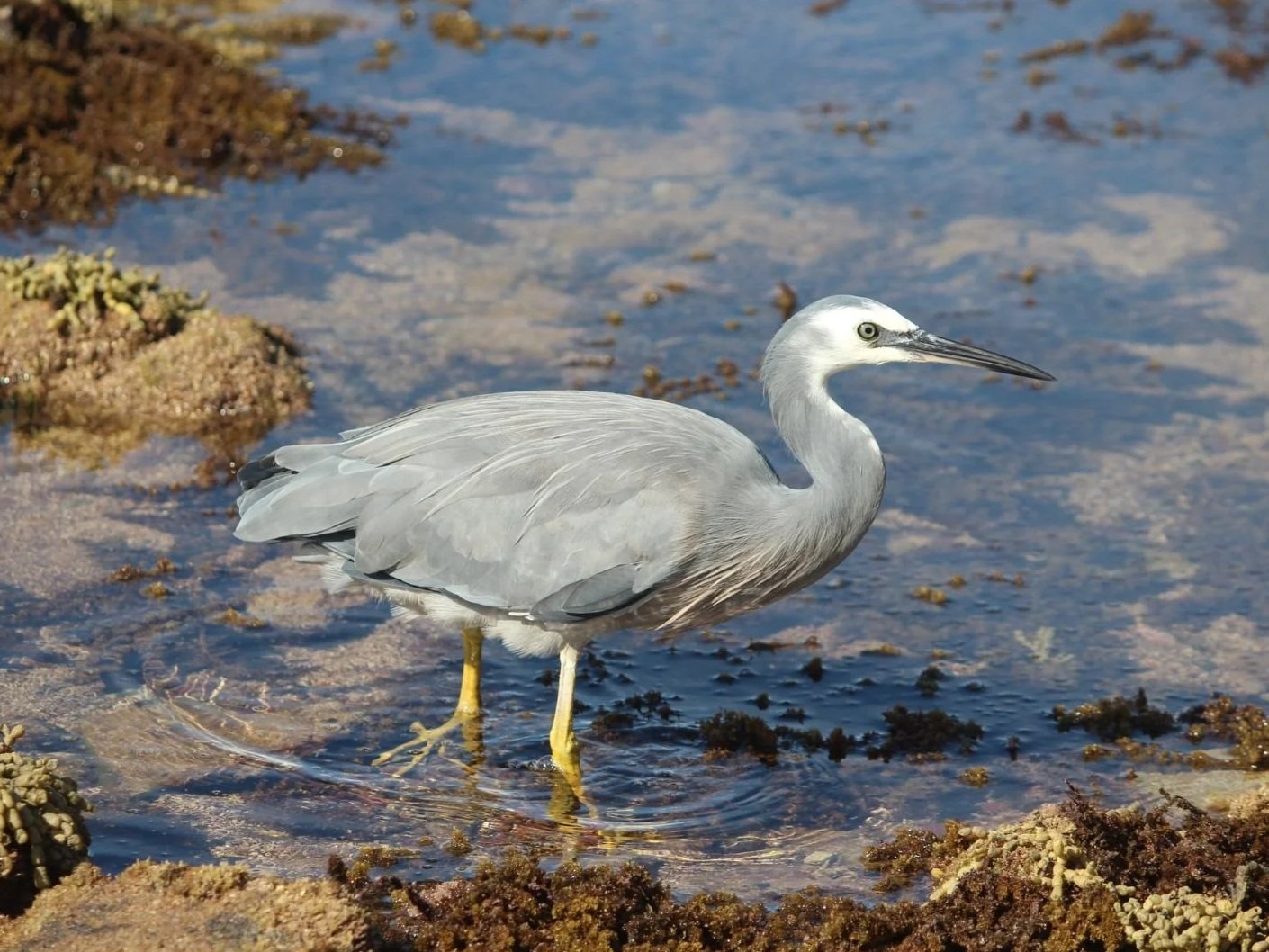
White-Faced Heron
Scientific name: Egretta novaehollandiae
Family: Ardeidae (Herons, Egrets, and Bitterns)
Group: Shorebirds and waders
Status: Least Concern (LC)The White Faced Heron is a common bird, found alone, in pairs, or in small groups near waterholes, swamps, and creeks. It thrives in salt or fresh water and may roam low-lying areas in winter. The larger White-necked Heron favors fresh water lagoons and dams, nesting on eucalypt limbs over water with three to four bluish-green eggs from September to January.
-
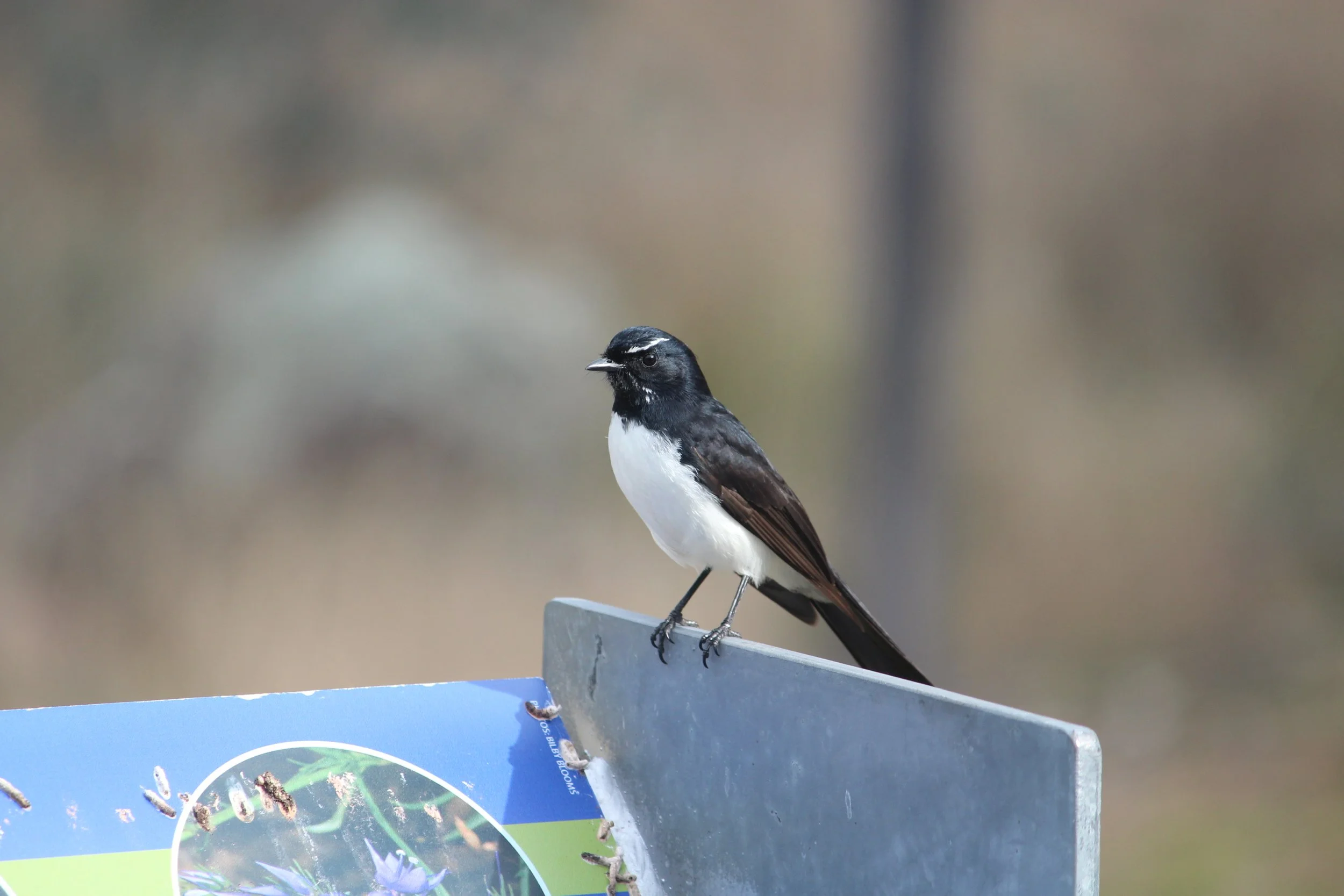
Willie Wagtail
Scientific name: Rhipidura leucophrys
Family: Rhipiduridae (Fantails)
Group: Bush/Garden/Common birds
Status: Least Concern (LC)Willie Wagtails are chatty birds that are found throughout most habitats in Australia particularly in grasslands and open spaces. They eat a variety of insects and forages by wagging its tail side to side with a sudden flash of its wings to expose insects hidden underneath the soil. Breeding season is typically between August and January when a clutch of three to four eggs are laid.